
Ever wondered what makes a racing game truly exhilarating? From the screech of tires on asphalt to the roar of the engine, motorsports games offer an adrenaline-fueled escape. But it’s more than just speed; it’s about the intricate mechanics, the immersive graphics, and the vibrant online communities that bring these virtual worlds to life. This exploration delves into the captivating world of Motor Sports Games, examining everything from market trends and game development to the impact of online multiplayer and the burgeoning world of esports.
We’ll dissect the key players, analyze popular game mechanics, and uncover the technological marvels that power these immersive experiences. Get ready to accelerate into a detailed look at the business, the challenges, and the future of motorsports gaming – buckle up!
Game Mechanics and Features in Motor Sports Games
The world of motorsports gaming offers a diverse range of experiences, from arcade-style thrills to hyper-realistic simulations. Understanding the core mechanics and features is key to appreciating the nuances and choosing the right game for your preferences. This exploration will delve into the driving physics, customization options, online multiplayer aspects, and the impact of visual and audio design on the overall gaming experience.
Driving Physics Models in Motorsports Games
Different motorsports games employ distinct driving models, significantly impacting the gameplay experience. Arcade-style games prioritize accessibility and fun, often featuring simplified physics and forgiving handling. Examples include games like
- Mario Kart*, where drifting is easy and collisions are less impactful. In contrast, simulation games like
- iRacing* and
Assetto Corsa Competizione* strive for realism, replicating the intricate physics of real-world racing. These games demand precision, skill, and a deep understanding of car setup and driving techniques. The difference is stark
in arcade games, you can often recover from mistakes easily, while in simulation games, a single error can have devastating consequences. The choice between these models often boils down to personal preference; some players prefer the casual fun of arcade racers, while others seek the rewarding challenge of simulation titles.
Car Customization Options
Car customization is a significant element in many motorsports games, allowing players to fine-tune their vehicles to suit their driving styles and track conditions. This can range from simple aesthetic changes like paint jobs and decals to complex mechanical adjustments affecting performance. Games like
- Forza Horizon 5* and
- Gran Turismo 7* offer extensive customization options, allowing players to modify almost every aspect of their cars, from engine tuning and suspension settings to aerodynamic components. This level of customization allows for a high degree of personalization and strategic depth, enabling players to create highly competitive and uniquely styled vehicles. The depth of customization often correlates with the realism of the game’s physics model; simulation games tend to offer more granular control over vehicle settings.
Online Multiplayer Experiences
Online multiplayer modes are a cornerstone of many modern motorsports games, providing opportunities for competitive racing and social interaction. These modes can range from simple ranked races to complex championship seasons with elaborate progression systems. Games like
- Forza Horizon 5* and
- The Crew 2* offer expansive open worlds with opportunities for both competitive and cooperative gameplay, while titles like
- iRacing* focus on highly competitive simulated racing. The quality of the online experience varies greatly depending on the game’s netcode and the developer’s commitment to maintaining a healthy online community. Features like lobbies, leaderboards, and in-game communication tools are essential for a positive multiplayer experience.
The Importance of Realistic Graphics and Sound Design
Realistic graphics and sound design are crucial for enhancing immersion and enjoyment in motorsports games. High-fidelity visuals create a sense of presence, making players feel like they’re actually behind the wheel. Detailed car models, realistic environments, and dynamic weather effects contribute to a more engaging and believable experience. Similarly, immersive sound design, including realistic engine sounds, tire squeals, and crowd ambience, greatly enhances the sensory experience.
Games that excel in both graphics and sound design often create a more visceral and memorable gaming experience. Consider the difference between hearing a high-pitched, artificial engine sound versus the deep rumble of a powerful V8 – the latter is far more impactful and realistic.
A New Feature: Dynamic Track Degradation
A new feature for motorsports games could be “Dynamic Track Degradation.” This feature would simulate the progressive wear and tear on the racing surface during a race or across multiple races. The track’s condition would change based on factors like weather, car traffic, and driving styles. This would impact tire wear, grip levels, and racing lines, creating a more strategic and challenging gameplay experience.
The target audience would be players who appreciate realistic simulation and strategic depth, enhancing the replayability and competitive aspects of the game. For example, a heavily used racing line might become significantly slower due to rubber build-up, encouraging drivers to explore alternative lines. This would reward skilled drivers who can adapt to changing track conditions.
Motorsports Game Development and Technology
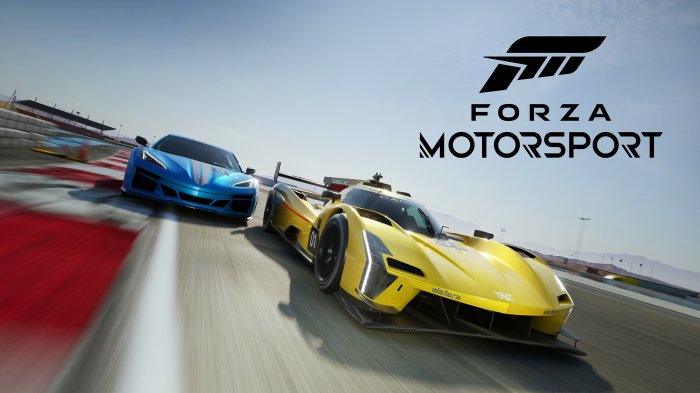
Creating a realistic and engaging motorsports game is a complex undertaking, requiring a blend of artistic vision, programming prowess, and a deep understanding of the sport itself. The development process is iterative, involving numerous stages from initial concept to final release, with constant testing and refinement along the way. This journey involves a dedicated team of artists, programmers, designers, and testers, all working in concert to bring the thrill of racing to life.
The Motorsports Game Development Process
The development of a motorsports game typically follows a structured process. It begins with conceptualization, where the core game idea, target audience, and desired features are defined. This is followed by pre-production, where the game’s design is fleshed out, including track design, car models, and gameplay mechanics. The production phase involves the actual creation of game assets, programming the game engine, and implementing the defined features.
Rigorous testing throughout the process ensures quality and identifies bugs. Finally, the game undergoes a polishing phase before launch, including optimization for various platforms and marketing campaigns. For example, a game like “Forza Horizon 5” likely underwent years of development, involving hundreds of individuals across various disciplines.
Key Technologies for Realistic Environments and Physics
Realistic motorsports games rely heavily on advanced technologies to create immersive experiences. High-fidelity 3D modeling software is used to create detailed car models, tracks, and environments. Advanced physics engines simulate realistic car behavior, including tire grip, aerodynamics, and collision detection. These engines often employ complex algorithms to accurately model the forces acting on a vehicle, considering factors like weight distribution, tire pressure, and track surface.
Real-time rendering techniques, such as ray tracing, enhance visual fidelity by simulating the realistic interaction of light with surfaces, producing stunning visuals. For instance, the photorealistic environments in “Gran Turismo 7” are a testament to the power of these technologies.
Comparison of Game Engines: Unreal Engine vs. Unity
Unreal Engine and Unity are two leading game engines frequently used in motorsports game development. Unreal Engine, known for its powerful rendering capabilities and robust physics engine, often produces visually stunning games with highly realistic graphics. However, it has a steeper learning curve and can be more resource-intensive. Unity, on the other hand, is known for its ease of use and cross-platform compatibility, making it a popular choice for smaller development teams or those prioritizing faster development cycles.
While Unity might not always match Unreal Engine’s visual fidelity at the highest settings, its accessibility and versatility make it a strong contender. Many successful motorsports titles have been built using both engines, demonstrating their individual strengths in different contexts.
Challenges and Opportunities in Online Multiplayer
Developing robust online multiplayer features for motorsports games presents unique challenges. Maintaining low latency for smooth, responsive gameplay is crucial, requiring efficient networking solutions and server infrastructure. Cheating prevention mechanisms are essential to ensure fair competition. Scalability is another key consideration, as the game needs to handle a large number of concurrent players without compromising performance. However, online multiplayer also offers significant opportunities.
It allows for global competition, community building, and the creation of dynamic and evolving game worlds. The success of online multiplayer modes in games like “iRacing” demonstrates the potential for engaging and long-lasting player engagement. Addressing the challenges effectively unlocks the potential for creating truly immersive and competitive online racing experiences.
The Impact of Online Game Development on Motor Sports Games
The rise of online gaming has fundamentally reshaped the motorsports gaming landscape, transforming it from a solitary pastime into a vibrant, competitive, and globally connected experience. The ability to compete against others worldwide, participate in leagues, and engage with vast online communities has dramatically increased the longevity and appeal of these games, leading to unprecedented levels of engagement and revenue generation for developers.
This shift has also created new challenges, particularly in maintaining fair play and fostering positive online interactions.
Successful Online Motorsports Games and Their Key Features
Several online motorsports games have achieved remarkable success, largely due to their focus on delivering engaging gameplay, robust online features, and thriving communities. Games like
- Gran Turismo Sport*,
- Forza Motorsport 7*, and
- iRacing* exemplify this success.
- Gran Turismo Sport*, known for its realistic physics and extensive car roster, utilizes a sophisticated online ranking system fostering competitive play.
- Forza Motorsport 7*, on the other hand, emphasizes a broader appeal with its diverse game modes and accessible controls, creating a welcoming environment for both casual and hardcore players.
- iRacing*, a simulation-focused platform, prioritizes realism and competitive integrity, attracting a dedicated community of sim racers. Key features shared across these successful titles include polished online multiplayer modes, regular content updates, strong anti-cheat measures, and active community management.
The Role of Online Communities and Esports in Motorsports Game Success
Online communities are integral to the success of motorsports games. They provide a platform for players to connect, share experiences, compete in informal races, and participate in organized leagues. The creation of strong online communities fosters player loyalty, generates word-of-mouth marketing, and provides valuable feedback to developers. The rise of esports has further amplified this impact. Professional motorsports gaming leagues, featuring significant prize pools and sponsorships, attract top players and create a spectacle that draws in both gamers and spectators, significantly boosting the visibility and popularity of the games themselves.
For example, the growth of competitive
- Gran Turismo* and
- Forza* esports showcases this phenomenon.
Challenges of Maintaining a Balanced and Fair Online Gaming Environment
Maintaining a balanced and fair online environment in motorsports games presents significant challenges. Cheating, through methods such as exploiting game mechanics or using unauthorized software, undermines fair play and negatively impacts the player experience. Toxicity within online communities, manifesting as harassment, griefing, and disruptive behavior, can also damage the overall game environment. Balancing competitive integrity with accessibility, ensuring a level playing field for players of different skill levels, and managing the sheer volume of players in a large online game are additional hurdles.
Effective anti-cheat measures, robust reporting systems, and proactive community moderation are crucial to address these issues.
Best Practices for Online Motorsports Game Development
Creating a successful online motorsports game requires careful planning and execution. Here are some best practices:
- Prioritize robust anti-cheat measures to prevent cheating and maintain fair play.
- Implement a comprehensive reporting system to address player misconduct and toxicity.
- Develop a clear and accessible code of conduct to guide player behavior.
- Actively moderate online communities to foster a positive and welcoming environment.
- Regularly update the game with new content and features to maintain player engagement.
- Invest in server infrastructure capable of handling large numbers of concurrent players.
- Design gameplay that is both challenging and rewarding, catering to a wide range of skill levels.
- Encourage community feedback and actively incorporate player suggestions into game development.
Exploring Related Game Genres
Motorsports games, encompassing everything from Formula 1 simulations to off-road rallies, occupy a significant niche in the gaming world. However, understanding their relationship to other genres, particularly bike games, and the increasing integration of gambling mechanics, provides a deeper understanding of their evolution and future direction. This section will explore these key aspects, examining both the similarities and differences between related genres and the implications of incorporating gambling elements.
Bike Games Versus Car Racing Games: A Comparative Analysis
Bike and car racing games, while both falling under the broader motorsport umbrella, offer distinctly different gameplay experiences and cater to varying player preferences. Car racing games often emphasize strategic racing lines, car setup, and pit strategy, demanding a higher level of precision and technical understanding. Examples like the Gran Turismo series focus on realistic physics and simulation, attracting players who appreciate a high degree of fidelity.
Conversely, bike games frequently prioritize aggressive maneuvering, quick reflexes, and stylish stunts, appealing to a more arcade-style player base. Games like Trials Rising showcase physics-based challenges that require skill and precise timing, contrasting with the more straightforward racing aspects of many car games. The target audiences differ significantly; car racing games tend to attract a broader range of players, from simulation enthusiasts to casual racers, while bike games often appeal to a more niche audience seeking intense action and skillful gameplay.
Gambling Elements in Motorsports Games: Engagement and Monetization
The incorporation of gambling elements, such as in-game currency, loot boxes, and virtual item purchases, has become increasingly prevalent in many game genres, including motorsports. These elements serve a dual purpose: enhancing player engagement by providing additional objectives and rewards, and generating revenue for developers. In-game currency can be earned through gameplay or purchased with real money, allowing players to unlock new cars, customization options, or track upgrades.
Loot boxes, offering randomized virtual items, can create a sense of anticipation and excitement, though their implementation needs careful consideration to avoid ethical concerns. For example, a game might offer loot boxes containing cosmetic items, such as liveries or decals, rather than performance-enhancing upgrades, mitigating potential pay-to-win scenarios. The success of this approach relies heavily on a balance; sufficient rewards through gameplay prevent players from feeling compelled to spend money, while offering desirable premium content encourages purchases.
Responsible Implementation of Gambling Mechanics in Motorsports Games
Responsible implementation of gambling mechanics is crucial to prevent addiction and ensure a positive player experience. This requires several key strategies. Firstly, clear and transparent information about the odds of obtaining specific virtual items from loot boxes is essential. Secondly, implementing strict limits on spending, such as daily or weekly caps on real-money purchases, can prevent excessive spending.
Thirdly, providing alternative ways to earn in-game currency and unlock content through gameplay reduces reliance on purchasing virtual items. Furthermore, integrating responsible gambling resources and information within the game, linking to external support organizations, is a vital step in promoting player well-being. Examples of responsible implementation include games that clearly display the odds of receiving items from loot boxes and offer a variety of ways to earn rewards through skillful gameplay.
This allows players to enjoy the game without feeling pressured to spend money.
Legal and Ethical Considerations of Gambling Elements in Motorsports Games
Integrating gambling mechanics into motorsports games necessitates careful consideration of several legal and ethical implications. Firstly, compliance with regional gambling regulations is paramount. Laws regarding loot boxes and in-game purchases vary widely across different jurisdictions, necessitating adherence to local legislation. Secondly, ensuring the game is not targeted at minors is crucial, requiring robust age verification systems and appropriate content filtering.
Thirdly, avoiding manipulative or deceptive practices, such as misleading representations of odds or the value of virtual items, is essential to maintain ethical standards. Finally, ensuring transparency and providing players with clear information about all aspects of the game’s monetization system is vital to build trust and foster a positive gaming environment. Failure to comply with these legal and ethical considerations can result in significant legal repercussions and reputational damage for developers.
The Business of Motor Sports Games
The motorsports gaming industry is a lucrative and competitive market, fueled by the passion of millions of racing enthusiasts worldwide. Understanding the business model behind these games is crucial to appreciating their success and predicting future trends. Revenue generation strategies, marketing prowess, and effective targeting of specific demographics all play a vital role in determining a game’s profitability and longevity.
Revenue Models in Motorsports Games
Motorsports game developers employ a variety of revenue models to monetize their creations. The most common approaches are premium pricing and free-to-play (F2P) models with in-app purchases (IAPs). Premium games offer a complete experience for a one-time purchase price, relying on high-quality content and a strong brand to attract buyers. In contrast, F2P games are free to download and play, but generate revenue through IAPs for cosmetic items, performance upgrades, or exclusive content.
A hybrid approach, offering a base game with premium DLC (Downloadable Content) expansions, is also increasingly popular. This allows players to experience the core game without a large upfront investment while offering additional content for those willing to pay more. The choice of model often depends on the target audience, the game’s scope, and the developer’s resources.
For example, a highly realistic simulation title might adopt a premium model, while an arcade-style racer might opt for F2P with IAPs to broaden its reach.
The Role of Marketing and Advertising in Motorsports Game Success
Marketing and advertising are essential for the success of any motorsports game, regardless of its revenue model. Effective marketing campaigns create awareness, build anticipation, and ultimately drive sales or in-app purchases. This involves a multi-pronged approach, utilizing various channels like social media, online advertising, influencer marketing, and traditional media outlets. A strong brand identity, compelling visuals, and engaging gameplay trailers are critical in attracting potential players.
Furthermore, strategic partnerships with car manufacturers, racing teams, or other relevant brands can significantly amplify a game’s marketing reach and credibility. Successful marketing also involves understanding the target audience and tailoring messaging to resonate with their interests and preferences.
Examples of Successful Marketing Campaigns for Motorsports Games
The marketing campaign for
- Forza Horizon 5* leveraged stunning visuals showcasing the diverse and vibrant landscapes of Mexico. This visual spectacle, combined with targeted social media campaigns and influencer partnerships, generated significant hype and drove impressive sales figures. Similarly,
- Gran Turismo 7*’s marketing emphasized its commitment to realism and simulation, attracting a core audience of hardcore racing fans. This targeted approach, focusing on the game’s technical achievements and authentic driving experience, proved highly effective. In contrast,
- Need for Speed* franchises have often employed high-octane action-packed trailers and collaborations with popular artists and celebrities to reach a broader, more casual audience. The success of these campaigns demonstrates the importance of adapting marketing strategies to the specific game and its target demographic.
Marketing Strategy for a New Motorsports Game: Targeting Young Adults (18-25)
This strategy focuses on a new arcade-style racing game targeting young adults (18-25). The game will feature customizable cars, vibrant tracks, and a strong emphasis on social competition and online multiplayer. The marketing campaign will center on:
- Social Media Blitz: A heavy investment in targeted advertising on platforms like TikTok, Instagram, and YouTube, using short, engaging video clips showcasing the game’s fun and competitive aspects. Influencer marketing will be employed, partnering with popular gaming personalities who resonate with this demographic.
- Esports Integration: Organizing online tournaments with attractive prizes to build a competitive community and generate buzz. Live-streaming these events on Twitch and YouTube will further expand reach.
- Cross-Platform Promotion: Collaborating with other popular games or brands that appeal to the same target audience to create cross-promotional opportunities.
- Early Access and Beta Testing: Offering early access to a select group of players to generate excitement and gather valuable feedback, which will then be used to refine the game before its official launch.
This multi-faceted approach, focusing on online engagement, competitive gameplay, and influencer marketing, is designed to maximize reach and engagement within the target demographic. The free-to-play model with in-app purchases for cosmetic items will ensure accessibility and revenue generation.
Gambling and its Relation to Gaming (Broader Context)
The relationship between gambling and gaming is complex, often blurring the lines between entertainment and risk. While both offer engaging experiences, the nature of risk and reward differs significantly, leading to distinct regulatory approaches. Understanding these differences is crucial for responsible development and consumption of both industries.
Risk and Reward in Gambling Card Games vs. Online Car Racing Games
Gambling card games, such as poker or blackjack, directly involve wagering money on the outcome of chance and skill. The reward is directly proportional to the risk taken – higher stakes mean potentially larger wins but also greater potential losses. The outcome is often determined by a combination of skill and luck, making the risk assessment inherently subjective and potentially leading to impulsive decision-making.
In contrast, online car racing games typically offer in-game rewards such as virtual currency, cosmetic items, or progression within the game’s hierarchy. While players might spend real money on in-game purchases, the risk is primarily financial and limited to the amount invested. The reward is typically tied to player skill and time investment, providing a more predictable and controllable outcome than gambling games.
The psychological impact also differs significantly; the immediate gratification and potential for significant financial loss in gambling can be highly addictive, whereas the rewards in car racing games are often more gradual and less likely to lead to such extreme consequences.
The Regulatory Landscape of Online Gambling and its Impact on the Gaming Industry
The regulatory landscape surrounding online gambling is fragmented and varies significantly across jurisdictions. Some countries have fully legalized and regulated online gambling, establishing licensing bodies and setting strict rules on responsible gaming practices, advertising, and age verification. Others maintain a complete ban, while others adopt a more lenient approach, allowing certain forms of online gambling but strictly regulating others.
This uneven regulatory environment creates challenges for the gaming industry, particularly for companies operating internationally. The cost of compliance can be substantial, requiring investment in legal expertise, technological solutions for age verification and responsible gaming features, and adherence to complex regulations. Moreover, the legal uncertainty in some regions creates a risk of fines, legal challenges, and even business closure.
This regulatory patchwork significantly impacts market access, competition, and the overall financial stability of online gaming companies that incorporate gambling elements.
The Role of Gambling Commissions in Regulating Online Gambling and Protecting Players
Gambling commissions play a critical role in overseeing the online gambling industry. Their responsibilities typically include licensing and regulating operators, ensuring fair play, preventing fraud and money laundering, protecting vulnerable players through responsible gambling initiatives, and enforcing regulations related to advertising and age restrictions. These commissions often conduct audits and investigations to ensure compliance, imposing sanctions on operators that violate regulations.
The effectiveness of gambling commissions varies across jurisdictions, with some possessing greater enforcement power and resources than others. Their role is vital in mitigating the risks associated with online gambling, protecting players from exploitation, and maintaining the integrity of the industry. For example, the UK Gambling Commission is known for its stringent regulations and proactive approach to player protection, while other jurisdictions may have less robust regulatory frameworks.
Characteristics of Cities Known for Their Gambling Industries and Their Potential Impact on the Gaming Market
Cities renowned for their established gambling industries, such as Las Vegas, Macau, and Monte Carlo, often attract significant investment in related entertainment sectors, including gaming. The presence of a mature gambling infrastructure, including casinos, hotels, and entertainment venues, can create a supportive ecosystem for the development and marketing of gaming products. These cities often have a large pool of skilled labor in areas such as game development, software engineering, and marketing, making them attractive locations for gaming companies.
However, the concentration of gambling activities can also lead to challenges, including increased competition, higher operational costs, and potential social issues related to problem gambling. The presence of a strong gambling industry in a city can positively influence the gaming market by creating a larger potential customer base and attracting investment, but it also introduces potential risks and challenges for gaming companies.
Concluding Remarks
The world of Motor Sports Games is a dynamic and ever-evolving landscape, a thrilling blend of technology, competition, and community. From the arcade thrills of casual racers to the intense realism of simulation titles, the genre caters to a diverse audience. Understanding the market forces, development processes, and the impact of online interaction is crucial to appreciating the depth and complexity of this exciting industry.
As technology advances and player expectations soar, the future of motorsports gaming promises even more immersive and engaging experiences. So, keep your eyes peeled for the next big thing – the finish line is far from in sight!
Helpful Answers
What are the best platforms for playing motorsports games?
Motorsports games are available on a variety of platforms, including PC, PlayStation, Xbox, and Nintendo Switch, offering diverse experiences depending on your preference and hardware capabilities.
How much do motorsports games typically cost?
Pricing varies greatly depending on the game, its features, and the platform. You’ll find options ranging from free-to-play titles with in-app purchases to premium games with one-time purchase costs.
Are there motorsports games with single-player modes?
Absolutely! Many motorsports games offer robust single-player campaigns and challenges alongside their online multiplayer components.
What is the future of VR in motorsports games?
VR technology holds immense potential for enhancing the immersion and realism of motorsports games, offering players a truly breathtaking and visceral experience. Expect to see more integration of VR in the coming years.


