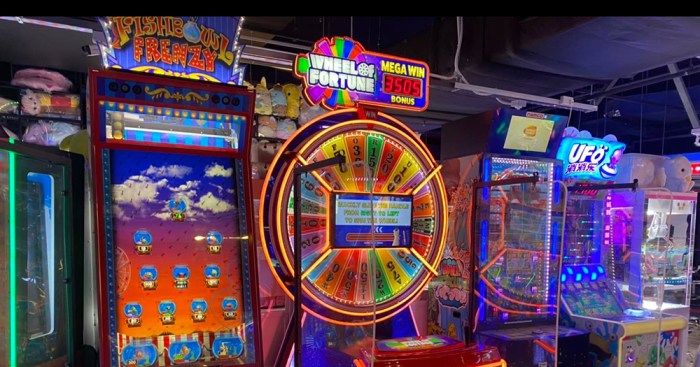
Get ready to rewind! From the electrifying buzz of pixelated battles to the roar of the crowd, arcade game tournaments have a rich and captivating history. We’re diving deep into the world of joystick heroes, high-score chases, and the evolution of competitive gaming from its humble beginnings to today’s electrifying spectacles. Prepare for a nostalgic journey through time, packed with iconic games, legendary players, and the strategies that separate the champions from the challengers!
This exploration will cover everything from the classic games that defined a generation to the modern-day tournaments fueled by online streaming and global competition. We’ll examine the different tournament formats, the skills required to conquer the leaderboards, and even the impact of the online gaming world on the legacy of arcade gaming. So grab your quarters (or your keyboard!), and let’s begin!
History of Arcade Game Tournaments
The history of arcade game tournaments is a vibrant tapestry woven from the threads of competitive spirit, technological innovation, and the enduring appeal of video games. From humble beginnings in local arcades to globally televised spectacles, these competitions have evolved dramatically, reflecting the changing landscape of gaming culture and technology. This journey showcases not only the growth of esports but also the enduring power of friendly competition and the thrill of mastering a challenging game.
Early arcade game tournaments were often spontaneous affairs, organized by arcade owners or enthusiastic players. These early events lacked the structure and standardization of modern tournaments, relying heavily on informal rules and simple scoring systems. However, they laid the foundation for the highly organized and lucrative competitions we see today.
Early Arcade Game Tournaments and Their Formats
The earliest arcade game tournaments were often simple, high-score competitions. Players would insert coins, play the game, and the highest score at the end of a set time period would determine the winner. Some tournaments incorporated head-to-head matches, but these were often less structured than the high-score challenges. Games like Pac-Man, Donkey Kong, and Space Invaders were popular choices for these early competitions, owing to their simple gameplay and widespread appeal.
Prizes often consisted of bragging rights, arcade tokens, or small cash prizes, reflecting the nascent nature of the competitive gaming scene. The lack of a centralized governing body meant that rules and regulations varied widely from location to location, leading to a diverse and sometimes chaotic range of tournament styles.
Significant Milestones and Influential Games
Several key moments marked the evolution of arcade game tournaments. The rise of dedicated fighting games like Street Fighter II in the late 1980s and early 1990s revolutionized the competitive scene, introducing a more structured head-to-head format that emphasized strategic gameplay and player skill. This shift paved the way for the emergence of professional players and the development of sophisticated tournament structures.
Games like Mortal Kombat and Tekken further solidified the fighting game genre’s dominance in the arcade tournament world. The introduction of online connectivity in later arcade machines also opened up new possibilities for competitive play, facilitating larger-scale tournaments and international competition.
Timeline of Key Developments in Arcade Game Tournament History
| Date | Event | Game | Significance |
|---|---|---|---|
| 1970s | Early, informal high-score competitions | Space Invaders, Pac-Man, Donkey Kong | Established the foundation for competitive arcade gaming. |
| 1980s | Emergence of more structured tournaments | Galaga, Ms. Pac-Man | Increased organization and prize pools. |
| 1990s | Rise of fighting games and professional players | Street Fighter II, Mortal Kombat, Tekken | Significant increase in popularity and media attention. |
| 2000s | Integration of online capabilities in some arcade machines | Various fighting games and other competitive titles | Enabled larger-scale tournaments and international competition. |
| 2010s-Present | Continued evolution of arcade game tournaments, often integrated with broader esports scenes. | Various modern arcade games and retro revivals | Focus on online and offline events, with increasing professionalism and prize money. |
Popular Arcade Games in Tournaments
The roar of the crowd, the flashing lights, the intense concentration – these are the hallmarks of competitive arcade gaming. For decades, dedicated players have honed their skills on classic machines, battling for supremacy in tournaments across the globe. The games themselves, with their unique mechanics and strategic depth, have become legendary, shaping the landscape of esports long before the term even existed.
The enduring popularity of arcade game tournaments stems from a combination of factors: the readily accessible nature of arcade cabinets, the simple yet engaging gameplay that caters to both casual and hardcore players, and the immediate gratification of victory (or the sting of defeat). This accessibility, coupled with the inherent competitiveness of human nature, fueled the growth of a vibrant and passionate community.
Top Ten Popular Arcade Tournament Games
Choosing only ten is a difficult task, as many deserving titles could be included. This list represents a blend of consistent tournament presence and lasting cultural impact. The selection considers both the game’s popularity during its peak and its continued relevance within the retro gaming and tournament communities.
- Street Fighter II: The World Warrior: The game that arguably launched the fighting game genre into the mainstream, its simple controls and deep strategic layers made it perfect for competition.
- Mortal Kombat: Known for its brutal violence and memorable characters, Mortal Kombat quickly became a tournament staple, showcasing a more visceral and aggressive style of fighting game compared to Street Fighter II.
- Pac-Man: A timeless classic, Pac-Man’s simple yet addictive gameplay translated surprisingly well to competitive play, with high-score chases and strategic maze navigation being key elements.
- Donkey Kong: This platformer challenged players with precise timing and skillful jumping, making it a surprisingly competitive game despite its age.
- Ms. Pac-Man: An evolution of the original, Ms. Pac-Man introduced new maze designs and gameplay elements, further enhancing its competitive appeal.
- Dig Dug: This action game rewarded quick reflexes and strategic planning, as players had to outmaneuver and defeat increasingly difficult enemies.
- Galaga: A classic shoot ’em up, Galaga’s wave-based gameplay and escalating difficulty made it ideal for testing player skill and endurance.
- Space Invaders: A foundational game in the arcade scene, Space Invaders’ simple yet challenging gameplay made it a popular choice for early tournaments.
- Tekken 3: A standout 3D fighting game, Tekken 3 offered a more complex fighting system and a larger roster of characters, demanding more skill and strategic depth.
- Marvel vs. Capcom 2: New Age of Heroes: This crossover fighting game, with its vast roster of characters and frenetic pace, became known for its incredibly high skill ceiling and exciting matches.
Gameplay Mechanics Comparison: Street Fighter II, Mortal Kombat, and Tekken 3
These three games represent the evolution of the fighting game genre. While all share the core concept of two combatants battling it out, their mechanics differ significantly.
Street Fighter II: Emphasized strategic use of special moves and footsies (controlling space). Its 2D plane and relatively simple control scheme allowed for precise execution of combos and tactical positioning.
Mortal Kombat: Featured a more aggressive and brutal style. While possessing special moves, it focused more on close-quarters combat and a high degree of risk/reward in its gameplay. The game also introduced fatalities, adding a unique spectacle element.
Tekken 3: As a 3D fighting game, Tekken 3 introduced a third dimension to movement and combat, adding complexity with its diverse range of attacks and more complex movement options. This added depth significantly increased the skill ceiling.
Factors Contributing to a Game’s Tournament Suitability
Several key factors determine a game’s suitability for competitive arcade tournaments. A successful tournament game needs a delicate balance of accessibility and depth.
- Easy to Learn, Difficult to Master: The game should be intuitive enough for newcomers to grasp quickly, but also possess sufficient depth to reward skilled players with intricate strategies and advanced techniques.
- Balanced Gameplay: A fair and balanced game ensures that skill is the primary determinant of victory, not random chance or overwhelming character imbalances.
- High Skill Ceiling: The game should offer opportunities for continuous improvement and mastery, encouraging players to refine their skills over time.
- Engaging Spectator Experience: Visually appealing gameplay and exciting match-ups are crucial for drawing in and retaining a large audience.
- Replayability: A high level of replayability keeps players engaged and coming back for more, fueling the growth of a competitive scene.
Key Features of Arcade Game Genres in Tournaments
| Game Genre | Popular Game Example | Key Features | Tournament Strategies |
|---|---|---|---|
| Fighting | Street Fighter II | Special moves, combos, strategic positioning, character matchups | Neutral game control, optimal combo execution, character counter-picking |
| Racing | OutRun | Track memorization, precise driving, item usage (if applicable) | Optimal racing lines, skillful drifting, strategic use of shortcuts |
| Puzzle | Tetris | Strategic piece placement, line clearing, efficient use of space | Advanced techniques, efficient clearing strategies, adaptation to changing game states |
| Shoot ’em Up | Galaga | Precise aiming, quick reflexes, strategic use of power-ups | Pattern memorization, efficient enemy elimination, resource management |
| Platformer | Donkey Kong | Precise jumping, timing, level memorization | Efficient movement, route optimization, knowledge of enemy patterns |
Tournament Structures and Formats
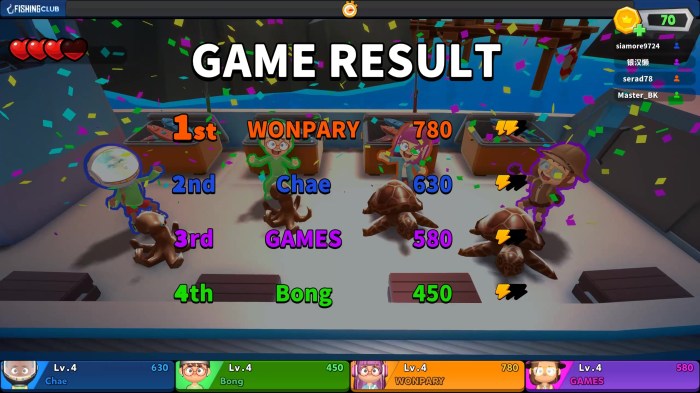
The structure of an arcade game tournament significantly impacts the player experience, the fairness of competition, and the overall flow of the event. Choosing the right format depends on factors like the number of participants, the available time, and the desired level of competitiveness. Different formats offer unique advantages and disadvantages, influencing everything from the number of matches to the potential for upsets.The selection of a tournament structure is crucial for a well-organized and exciting competition.
Several popular formats exist, each with its own strengths and weaknesses, impacting the overall player experience and the determination of a champion.
Single Elimination Tournament
Single elimination is the most straightforward format. Players compete in a head-to-head match, and the loser is eliminated from the tournament. This continues until only one player remains. The advantage is its simplicity and efficiency; it requires a relatively small number of matches compared to other formats. However, a single bad performance can eliminate a highly skilled player early, reducing the chance of seeing the best players face off in the later rounds.
A single loss means the end of the tournament run. Think of the classic NCAA Men’s Basketball Tournament – one loss and you’re done.
Double Elimination Tournament
In a double elimination tournament, players must lose twice to be eliminated. Players are placed in a winner’s bracket and a loser’s bracket. Players from the winner’s bracket who lose advance to the loser’s bracket. The winner’s bracket and loser’s bracket converge at the end, with the winner of the final match from the loser’s bracket facing the winner of the winner’s bracket in a final match to determine the champion.
This format gives players a second chance, reducing the impact of a single bad game. However, it requires significantly more matches, potentially increasing the tournament’s overall duration. This is often preferred in larger tournaments to ensure a more fair and representative outcome.
Round Robin Tournament
A round robin tournament involves every player competing against every other player in the tournament. Each player’s final standing is determined by their win-loss record. This format guarantees every player plays a significant number of matches, offering a more comprehensive evaluation of skill. However, it’s extremely time-consuming and only practical for smaller tournaments due to the exponentially increasing number of matches as the number of participants grows.
Imagine a small local tournament with only eight players; this format would be feasible. However, a large-scale tournament with hundreds of players would be practically impossible.
Seeding and Ranking Systems
Seeding and ranking systems are crucial for organizing larger tournaments efficiently and fairly. Seeding involves placing higher-ranked players in positions within the bracket that minimize the likelihood of them meeting early in the competition. This typically involves ranking players based on prior performance in similar tournaments or other competitive metrics. Effective seeding helps ensure the most skilled players are likely to meet in the later rounds, creating a more compelling and competitive tournament.
Ranking systems, often based on Elo ratings or similar methods, provide a quantifiable measure of player skill, informing the seeding process and offering a consistent way to compare players across different tournaments and games. Consider professional esports – seeding based on points earned in previous seasons is a common practice.
Hypothetical Tournament Bracket: Single Elimination, 8 Players
This example illustrates a single-elimination bracket with eight players. The seeding is based on a pre-tournament ranking (1 being the highest ranked).
- Round 1:
- Match 1: Player 1 vs. Player 8
- Match 2: Player 4 vs. Player 5
- Match 3: Player 2 vs. Player 7
- Match 4: Player 3 vs. Player 6
- Round 2 (Quarterfinals):
- Match 5: Winner of Match 1 vs. Winner of Match 2
- Match 6: Winner of Match 3 vs. Winner of Match 4
- Round 3 (Semifinals):
- Match 7: Winner of Match 5 vs. Winner of Match 6
- Round 4 (Finals):
- Match 8: Winner of Match 7 vs. Winner of Match 8
The Role of Skill and Strategy
Dominating the arcade tournament scene isn’t just about luck; it demands a potent blend of honed skills and carefully crafted strategies. Success hinges on understanding the nuances of each game, adapting to opponents’ styles, and mastering the intricate mechanics that separate the casual player from the champion. This section delves into the crucial skills and strategic thinking required to conquer the competitive arcade landscape.
The specific skills and strategies needed vary significantly depending on the genre of arcade game. A player excelling in a fast-paced fighting game like Street Fighter II will require a different skill set than someone dominating a puzzle game like Tetris. Understanding these differences is crucial for specializing and achieving peak performance.
Key Skills and Strategies in Arcade Game Tournaments
Across various arcade game genres, several core skills consistently contribute to success. These are not mutually exclusive and often overlap, creating a complex tapestry of abilities that a champion must master.
- Hand-Eye Coordination and Reaction Time: This is fundamental across most genres. Fast reflexes are essential for reacting to opponents’ moves in fighting games, quickly manipulating pieces in puzzle games, or navigating complex levels in shooters. Consistent, precise movements are crucial for accuracy and efficiency.
- Strategic Thinking and Planning: Beyond reflexes, strategic thinking is vital. In fighting games, this involves anticipating opponents’ moves, exploiting weaknesses, and creating openings. In puzzle games, it’s about planning ahead, maximizing scoring opportunities, and managing limited resources. Even in seemingly simple games, thoughtful strategy can make a huge difference.
- Game Knowledge and Mechanics: A deep understanding of the game’s rules, mechanics, and hidden elements is paramount. Knowing frame data in fighting games, mastering advanced techniques in puzzle games, or exploiting glitches in other genres can provide a significant competitive edge. This knowledge often separates a good player from a great one.
- Adaptability and Mental Fortitude: Tournament environments are stressful. Adapting to different opponents’ play styles, handling pressure, and maintaining focus under duress are crucial for consistent performance. The ability to learn from mistakes and bounce back from losses is a key trait of successful competitors.
Skill Set Comparison Across Genres
The relative importance of these skills varies greatly across different arcade game genres. Let’s compare a few examples:
| Genre | Hand-Eye Coordination | Strategic Thinking | Game Knowledge | Adaptability |
|---|---|---|---|---|
| Fighting Games (e.g., Street Fighter II) | High | High | High | High |
| Puzzle Games (e.g., Tetris) | Medium | High | Medium | Medium |
| Racing Games (e.g., Out Run) | High | Medium | Medium | Medium |
| Shooter Games (e.g., Galaga) | High | Medium | High | Medium |
The Role of Practice and Training
Raw talent can only take a player so far. Consistent, structured practice is the key to unlocking true potential in competitive arcade gaming. This involves more than just playing the game repeatedly; it requires a dedicated approach to improve specific skills and refine strategies.
- Dedicated Practice Sessions: Schedule regular practice sessions focusing on specific aspects of the game. This could involve practicing combos in a fighting game, perfecting Tetris strategies, or mastering specific routes in a racing game.
- Analyzing Gameplay: Record your gameplay and analyze your strengths and weaknesses. Identify patterns in your mistakes and actively work to correct them. Watching professional players and studying their strategies can also be invaluable.
- Opponent Analysis: Observe your opponents’ playing styles and adapt your strategies accordingly. Identifying their weaknesses and exploiting them is a crucial aspect of competitive play.
- Physical and Mental Preparation: Ensure you’re physically and mentally prepared for tournaments. Get enough sleep, eat healthy food, and practice stress management techniques to maintain focus and composure under pressure.
The Modern Arcade Game Tournament Landscape
The rise of online gaming and streaming platforms has dramatically reshaped the landscape of arcade game tournaments, creating both challenges and exciting new opportunities. While the classic, coin-operated arcade remains a nostalgic touchstone, the modern scene is a vibrant blend of physical and digital competition, attracting a wider and more diverse audience than ever before. This evolution has led to innovative tournament formats, expanded accessibility, and a surge in global participation.The impact of online gaming and streaming on arcade game tournaments is undeniable.
Platforms like Twitch and YouTube have become vital tools for broadcasting tournaments to a massive global audience, fostering a sense of community and increasing the visibility of both players and the games themselves. This increased exposure has attracted sponsorships and prize pools, significantly raising the stakes and professionalizing the competitive scene. Furthermore, online emulators and digital versions of classic arcade games have broadened participation, allowing players without access to physical arcade cabinets to compete.
This digital accessibility has fueled the growth of online leaderboards and virtual tournaments, complementing the traditional in-person events.
Online Integration and Hybrid Events
The most successful modern arcade game tournaments cleverly integrate online and offline elements. For example, qualifying rounds might be held online, with the top players advancing to a live, in-person final tournament. This hybrid model combines the accessibility of online gaming with the excitement and social interaction of a physical event. This approach also allows organizers to reach a larger pool of potential competitors, while maintaining the appeal of a live, spectator-driven finale.
The Evo Championship Series, a prominent fighting game tournament, exemplifies this approach, utilizing online qualifiers to select participants for their highly anticipated annual event.
Innovative Tournament Formats and Prize Structures
Modern arcade game tournaments are experimenting with novel formats to enhance engagement and excitement. Beyond the traditional single-elimination bracket, we’re seeing more creative structures, including round-robin tournaments, team-based competitions, and even tournaments incorporating elements of chance or puzzle-solving alongside skill-based gameplay. The prize structures are also evolving, with a move towards more inclusive prize pools that reward a wider range of participants, rather than solely focusing on the top few winners.
This shift aims to promote participation and create a more welcoming atmosphere for players of all skill levels. For example, some tournaments offer smaller prizes for achieving specific milestones or demonstrating exceptional sportsmanship.
Successful Modern Arcade Game Tournaments and Their Unique Features
Several tournaments stand out for their innovative approaches and successful execution. The aforementioned Evo Championship Series, for instance, boasts a massive global reach and features a wide array of fighting games, attracting top players from around the world. Its consistent high production value and professional organization have cemented its place as a flagship event in the competitive gaming scene.
Other tournaments, such as those focused on specific classic arcade games like Pac-Man or Street Fighter II, have carved their own niche by catering to dedicated communities and emphasizing specific skill sets and strategies. These specialized tournaments often include unique scoring systems, themed events, and dedicated communities that foster a sense of camaraderie and shared passion.
Future Growth and Potential Areas of Expansion
The future of arcade game tournaments looks bright, with several key areas poised for significant growth. Virtual reality (VR) technology offers the potential to create immersive and engaging tournament experiences, allowing players to feel as if they’re truly inside the game world. Esports organizations are increasingly showing interest in classic arcade games, recognizing their potential to attract new audiences and tap into a rich history of competitive gaming.
Furthermore, the integration of mobile gaming into the arcade tournament landscape offers an opportunity to reach even wider audiences, particularly in regions with limited access to traditional arcade cabinets. Finally, the continued growth of streaming platforms and the expansion of online communities will undoubtedly fuel the popularity and accessibility of arcade game tournaments for years to come.
Related Industries
The explosive growth of online gaming has profoundly impacted the arcade game tournament scene, creating both challenges and opportunities. The shared DNA of competition and skill-based gameplay fosters a symbiotic relationship, with advancements in one sector often influencing the other. This interconnectedness extends beyond simple design elements; it also involves ethical considerations regarding monetization and regulatory oversight.The intersection of online game development and the design of competitive arcade games is evident in several key areas.
Online game developers constantly push the boundaries of graphics, mechanics, and player experience, setting a high bar for arcade game designers. The rapid iteration cycles and data-driven development prevalent in online games provide valuable insights into player preferences and competitive balance, which can be applied to refine the arcade experience.
Influence of Online Game Elements on Arcade Tournament Design
Online games, particularly driving, bike, and car racing games, have significantly influenced the design of arcade tournament games. The emphasis on precise controls, realistic physics (or stylized physics that are consistently applied), and competitive multiplayer modes in online racing games translates directly into the design of arcade racing games. Features like online leaderboards, detailed performance statistics, and customizable vehicle options, initially popularized in online games, are now common in many modern arcade racing cabinets.
Similarly, the sophisticated control schemes and character customization seen in online fighting games often find their way into arcade fighting game tournaments. The success of games like Rocket League, which blends car soccer with elements of both arcade and online gameplay, highlights the potential for cross-pollination.
Ethical Concerns Regarding Gambling Elements in Games
The integration of gambling elements, such as loot boxes, virtual currencies, or in-game betting, into arcade or online games raises significant ethical concerns. These elements can be particularly problematic for vulnerable populations, including children and individuals with gambling addictions. The potential for exploitation necessitates strict regulation by gambling commissions. These commissions play a crucial role in setting guidelines for responsible game design, ensuring transparency in odds and payouts, and preventing manipulative practices.
The line between “skill-based” gameplay and gambling is often blurred, and careful consideration must be given to the design of mechanics to ensure they do not inadvertently encourage compulsive behavior. For instance, the use of random number generators (RNGs) in loot boxes needs to be carefully scrutinized to avoid the perception – or reality – of unfair practices.
Impact of Gambling Cities and Online Gambling on the Gaming Landscape
The rise of gambling cities and the expansion of online gambling have had a complex impact on the gaming landscape.
| Industry | Impact on Arcade Tournaments | Potential Challenges | Opportunities |
|---|---|---|---|
| Gambling Cities (e.g., Las Vegas, Macau) | Increased exposure and potential for sponsorship; integration of arcade tournaments into larger entertainment complexes. | Regulatory hurdles; potential for negative associations with gambling; competition for player attention. | Access to larger player pools; potential for increased prize pools; enhanced marketing opportunities. |
| Online Gambling | Increased accessibility to tournaments through online platforms; potential for integration with esports betting; rise of virtual tournaments. | Concerns about match-fixing and integrity; potential for addiction; regulatory complexities across jurisdictions. | Expansion of the player base globally; new revenue streams through online betting; development of innovative tournament formats. |
Final Wrap-Up
From the simple joysticks of yesteryear to the sophisticated online competitions of today, the spirit of competitive arcade gaming remains as vibrant as ever. The journey through the history of arcade game tournaments reveals not only the evolution of technology and gameplay but also the enduring human desire for competition, skill mastery, and the thrill of victory. As technology continues to evolve, the future of arcade game tournaments promises even more exciting innovations, pushing the boundaries of competitive gaming and captivating audiences worldwide.
So, keep your eyes peeled for the next generation of arcade heroes!
FAQ Insights
What are the typical prizes in arcade game tournaments?
Prizes vary wildly depending on the tournament size and sponsors. They can range from bragging rights and small cash prizes to significant cash awards, merchandise, and even travel opportunities.
How do I find local arcade game tournaments?
Check local gaming centers, bars with arcade cabinets, and online event listings. Many communities have dedicated Facebook groups or websites for local gaming events.
Are there age restrictions for arcade game tournaments?
Age restrictions vary depending on the tournament and the venue. Some may be open to all ages, while others may have age limits based on game content or local regulations.
What equipment do I need to participate?
That depends entirely on the game! Most tournaments will specify the required controllers or input devices.


