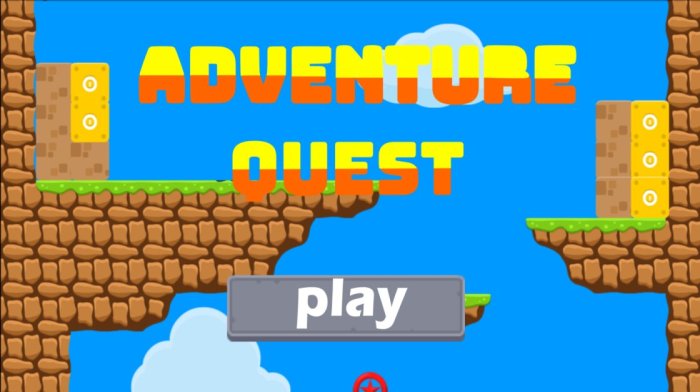
Ever wondered how to blend learning and fun for your kids? Adventure games offer a fantastic way to do just that! These aren’t your parents’ text-based adventures; we’re talking vibrant worlds, engaging puzzles, and captivating stories designed to spark imagination and boost cognitive skills. From problem-solving pirates to history-buff explorers, there’s an adventure game out there to ignite every child’s curiosity.
This exploration dives into the fascinating world of children’s adventure games, examining their educational benefits, safety features, popular themes, and the crucial role of storytelling. We’ll also compare them to other game genres, highlighting what makes them unique and beneficial for young minds. Get ready to embark on a journey of discovery – one pixelated adventure at a time!
Defining “Adventure Games for Kids”
Adventure games for kids are interactive digital experiences designed to engage young players through exploration, problem-solving, and storytelling. These games differ significantly from adult adventure games in their complexity, themes, and overall design, catering specifically to the cognitive and emotional development of children across various age groups.Adventure games for children prioritize age-appropriate content and mechanics. They often feature simpler controls, intuitive interfaces, and storylines that are easy to follow, avoiding complex narratives or mature themes unsuitable for younger audiences.
The focus is on fostering creativity, problem-solving skills, and a sense of accomplishment, rather than solely on challenge or competition.
Age Ranges and Developmental Stages
The design of a children’s adventure game is heavily influenced by the target age range. Games for preschoolers (ages 3-5) might emphasize simple interactions, bright colors, and repetitive actions to build familiarity and motor skills. Elementary school-aged children (ages 6-12) can handle more complex puzzles, longer narratives, and a greater degree of exploration. Tweens (ages 10-13) may appreciate games with more sophisticated storylines, character development, and challenging puzzles, bridging the gap between children’s and teen-oriented games.
The developmental stage impacts the complexity of the game mechanics, the length of the narrative, and the type of challenges presented. For example, a game for younger children might focus on matching shapes, while a game for older children might involve solving logic puzzles or navigating complex environments.
Key Characteristics Distinguishing Children’s Adventure Games
Several key characteristics differentiate children’s adventure games from those aimed at adults. Firstly, the focus shifts from intense challenge to engaging gameplay and learning. Adult adventure games often prioritize difficulty and complexity, whereas children’s games prioritize fun, exploration, and a sense of accomplishment. Secondly, the narrative and themes are tailored to be appropriate and engaging for children.
Violence, mature themes, and complex social interactions are generally avoided or minimized. Thirdly, the user interface and controls are designed to be intuitive and easy to use, even for young children with limited experience with technology. Finally, children’s adventure games often incorporate educational elements, subtly integrating learning into the gameplay experience. For example, a game might teach basic geography, vocabulary, or problem-solving skills.
Types of Adventure Games Suitable for Kids
Children’s adventure games encompass a wide variety of genres and styles.Puzzle-solving adventure games challenge players to solve riddles, decipher codes, or manipulate objects to progress through the game. These games often feature charming characters and visually appealing environments, making the process of problem-solving enjoyable. Examples include games where players need to arrange blocks to create a path, or find hidden objects within a scene.Exploration-focused adventure games encourage players to explore expansive virtual worlds, discover hidden areas, and interact with the environment.
These games often feature a sense of discovery and wonder, encouraging curiosity and a love for exploration. Imagine a game where children explore a magical forest, uncovering hidden creatures and solving environmental puzzles.Narrative-driven adventure games tell engaging stories with compelling characters and plots. These games often feature dialogue trees, choices that affect the story, and emotional moments that resonate with young players.
A classic example is a game where children embark on a quest to save a magical kingdom, making choices that influence the narrative and the outcome of their journey.
Popular Themes and Mechanics in Kids’ Adventure Games

Adventure games for kids thrive on imaginative worlds and engaging gameplay. Successful titles cleverly blend captivating narratives with interactive elements that encourage exploration, problem-solving, and learning. The right combination of theme and mechanics is crucial for keeping young players hooked.
Prevalent Themes in Children’s Adventure Games
Three prominent themes consistently resonate with young players: fantasy, exploration, and storytelling. These themes tap into children’s natural curiosity and love of imaginative play, offering opportunities for escapism and self-discovery within the game’s virtual environment.
- Fantasy: Fantasy themes, featuring magical creatures, mythical lands, and fantastical quests, are incredibly popular. Games like “Skylanders” and “LEGO Worlds” successfully leverage this by letting children interact with beloved characters and environments from popular fantasy franchises. The appeal lies in the limitless possibilities and the chance to become a hero in a magical realm. Children can embrace their creativity and imagination within these worlds, creating narratives and adventures of their own making.
- Exploration: The thrill of discovery is a powerful motivator for kids. Games that emphasize exploration, such as “Minecraft” and “Pokémon,” encourage players to uncover hidden areas, solve environmental puzzles, and collect items. The inherent reward of finding something new keeps children engaged and motivated to continue their journey. This theme caters to a child’s innate desire to understand their surroundings and the world around them.
- Storytelling: Interactive storytelling is another key element. Games that present compelling narratives with choices that impact the story’s outcome, such as “Telltale Games” titles (though some might be above the youngest age ranges), offer a sense of agency and involvement. Children become active participants in the story, shaping its direction and experiencing the consequences of their decisions. This fosters a deeper connection with the game and encourages critical thinking skills.
Innovative Game Mechanics Enhancing Engagement and Learning
Beyond the themes, innovative mechanics are vital for creating truly engaging and educational experiences. Several examples stand out in their ability to enhance both entertainment and learning.
- Puzzle-Solving Mechanics: Age-appropriate puzzles that challenge problem-solving skills without being frustrating are crucial. Games often incorporate logic puzzles, riddles, and object manipulation puzzles that require players to think creatively and strategically. These mechanics encourage critical thinking and develop analytical skills in a fun and interactive way. For example, many adventure games use inventory systems where players must combine items to solve puzzles, mirroring real-world problem-solving.
- Interactive Storytelling and Choice Systems: Allowing players to make meaningful choices that affect the narrative creates a sense of ownership and investment in the game’s world. This mechanic not only enhances engagement but also teaches children about cause and effect and the consequences of their actions. Simple branching narratives are effective for younger players, while more complex systems can be introduced as children get older.
- Collaborative Gameplay and Social Interaction: Many adventure games now incorporate cooperative modes, allowing children to play together and collaborate on challenges. This promotes teamwork, communication, and social skills. The shared experience strengthens bonds and fosters a sense of community, making the gameplay even more enjoyable.
Age-Appropriate Content and its Impact on Game Design
Age-appropriate content is paramount. Games designed for younger children should avoid violence, frightening imagery, and complex themes that might be overwhelming or inappropriate. The game’s difficulty, complexity of puzzles, and the length of gameplay sessions should also be tailored to the target age group. For example, a game for preschoolers will have simpler controls, shorter levels, and a focus on basic problem-solving, while a game for older children can incorporate more complex challenges and narratives.
This careful consideration of age appropriateness ensures a positive and enjoyable experience for all players, fostering a love of gaming while safeguarding their development.
The Role of Storytelling and Narrative in Children’s Adventure Games
Storytelling is the very heart of a successful children’s adventure game. A compelling narrative isn’t just a backdrop; it’s the engine that drives the gameplay, motivates exploration, and fosters a deep emotional connection with the young player. Without a captivating story, even the most innovative game mechanics will fall flat. Children respond powerfully to narratives that resonate with their experiences and imaginations, transforming a simple game into a memorable adventure.A well-crafted narrative in a children’s adventure game should be engaging, accessible, and age-appropriate.
It needs to be easy enough for young players to understand, yet rich enough to spark their curiosity and keep them invested. This requires careful consideration of pacing, character development, and the overall tone of the story. The story should also offer opportunities for players to make choices that impact the narrative, thereby creating a sense of agency and ownership over their experience.
Effective Storytelling Techniques in Children’s Adventure Games
Several techniques contribute to effective storytelling in children’s adventure games. These techniques aim to keep children engaged and invested in the game’s narrative. One effective method is the use of clear and concise language, avoiding overly complex vocabulary or sentence structures. The narrative should also incorporate age-appropriate themes and topics that resonate with children’s interests, such as friendship, bravery, and overcoming challenges.
Visual storytelling, through vibrant graphics and expressive character animations, plays a crucial role in enhancing comprehension and engagement. Furthermore, interactive storytelling elements, such as dialogue choices and puzzle-solving scenarios, provide opportunities for active participation and enhance the sense of immersion. For example, games like “Monument Valley” use minimal text, relying instead on stunning visuals and intuitive gameplay to tell a captivating story.
Similarly, “Brothers: A Tale of Two Sons” employs a unique dual-control mechanic to tell a poignant story about sibling bonds.
Character Development and World-Building in Children’s Adventure Games
Compelling characters and a richly detailed world are crucial for creating an immersive and memorable experience. Children connect deeply with relatable characters who possess distinct personalities, motivations, and flaws. The development of these characters should be gradual, revealing aspects of their personalities through their actions, dialogue, and interactions with the player. For instance, a brave but slightly clumsy protagonist can be both inspiring and endearing to young players.
Similarly, a game’s world should be carefully constructed, offering a visually appealing and engaging environment that encourages exploration and discovery. Detailed environments, populated with interesting non-player characters and objects, can enrich the narrative and enhance the sense of immersion. Games like “Journey” exemplify this, with its minimalist yet evocative world that speaks volumes without relying on explicit exposition.
The player’s emotional investment is fostered through subtle narrative cues within the game world itself.
Safety and Parental Controls in Kids’ Adventure Games
Protecting young players is paramount in the design and distribution of children’s adventure games. A multi-faceted approach, encompassing both in-game features and external parental controls, is crucial for creating a safe and positive gaming experience. This ensures children can enjoy the adventures while minimizing exposure to potentially harmful content or online interactions.
Parental controls and safety features are not merely optional additions; they are essential components that demonstrate a commitment to responsible game development and a child-centric approach. Games should be designed with built-in safeguards, complemented by tools that allow parents to actively manage their children’s gaming experience.
Essential Safety Features and Parental Controls
A comprehensive suite of safety features is necessary to mitigate risks associated with online gaming for children. These features should be easy for parents to understand and utilize, providing a clear and effective means of managing their children’s interactions and content exposure.
- Time Limits and Scheduling: Allow parents to set daily or weekly time limits for gameplay, preventing excessive screen time and promoting a healthy balance between gaming and other activities. This could involve setting specific play times or blocking access outside of designated hours.
- Content Filtering: This feature blocks access to inappropriate content, such as violent imagery, mature themes, or explicit language. It should be customizable to different age groups and parental preferences, offering varying levels of filtering intensity.
- In-Game Chat Restrictions: Restrict or completely disable in-game chat features, preventing children from interacting with strangers online. Even pre-moderated chats can present risks, so the option to entirely disable this feature is vital.
- Privacy Settings: Robust privacy settings allow parents to control who their child can interact with online, preventing unwanted contact or exposure to potentially harmful individuals. This might involve restricting friend requests or limiting the sharing of personal information.
- Reporting Mechanisms: In-game reporting systems allow children to easily flag inappropriate content or behavior, giving them a direct line of communication to address any concerns.
The Importance of Age Ratings and Content Filtering Mechanisms
Age ratings and content filtering mechanisms serve as crucial gatekeepers, guiding parents in selecting appropriate games for their children’s age and maturity level. These systems are essential in protecting children from content that may be too violent, sexual, or otherwise inappropriate for their developmental stage.
Age ratings, such as those provided by the ESRB (Entertainment Software Rating Board) in North America or PEGI (Pan European Game Information) in Europe, provide standardized classifications based on content. These ratings help parents make informed decisions, ensuring that the games their children play align with their values and their child’s developmental stage. Content filtering mechanisms, integrated within the game or through external parental control software, provide an additional layer of protection by blocking or restricting access to specific content based on predefined parameters.
Promoting Responsible Gaming Habits
Encouraging responsible gaming habits requires a collaborative effort between parents, game developers, and educators. Open communication, consistent monitoring, and establishing clear boundaries are key components in fostering healthy gaming practices.
- Open Communication: Parents should engage in open conversations with their children about online safety, responsible gaming, and the potential risks associated with online interactions. This creates a safe space for children to discuss any concerns or questions they may have.
- Joint Gameplay: Parents can participate in gameplay with their children, fostering a shared experience and providing an opportunity to model responsible gaming behavior. This also allows parents to directly observe their children’s interactions and monitor their online activities.
- Educational Resources: Utilizing educational resources and online guides focused on online safety and responsible gaming can equip both parents and children with the knowledge and skills necessary to navigate the digital world safely and effectively. Many organizations offer valuable resources on this topic.
- Setting Clear Boundaries: Establishing clear rules and expectations regarding screen time, online interactions, and appropriate game choices is crucial. These boundaries should be age-appropriate and consistently enforced.
Analysis of Related Game Genres
Adventure games for kids, while seemingly distinct, share design elements and target audiences with other game genres. Understanding these relationships, and the key differences, is crucial for responsible game development. This analysis compares adventure games with online game development, online driving and bike games, online car racing games, and gambling-related activities, highlighting both similarities and crucial distinctions, particularly concerning ethical considerations and responsible game design principles.
Comparison of Adventure Games with Other Game Genres
The following table compares adventure games for kids with online game development, online driving and bike games, and online car racing games. Note that “online game development” refers to the process and not a specific genre of game played by children.
| Feature | Adventure Games (Kids) | Online Game Development | Online Driving/Bike Games | Online Car Racing Games |
|---|---|---|---|---|
| Primary Goal | Narrative progression, puzzle solving, exploration | Creating a functional and engaging game | Navigation, skill-based challenges | Competition, speed, skill-based challenges |
| Target Audience | Children | Game developers, programmers | Broad, often including children | Broad, often including children |
| Gameplay Mechanics | Point-and-click, inventory management, dialogue | Coding, testing, design iteration | Steering, acceleration, braking, obstacle avoidance | Steering, acceleration, braking, racing strategy |
| Monetization | Often one-time purchase, sometimes in-app purchases (carefully regulated) | Sale of the finished game, subscriptions, advertising (in finished games) | In-app purchases, advertisements | In-app purchases, advertisements |
| Skill Development | Problem-solving, critical thinking, storytelling comprehension | Programming, design thinking, teamwork | Hand-eye coordination, reaction time | Hand-eye coordination, reaction time, strategic thinking |
Distinction Between Adventure Games and Gambling Activities
Adventure games for children focus on narrative, exploration, and problem-solving. Gambling, encompassing card games, chips, commission jobs, and related industries, centers on chance, risk, and financial gain or loss. The core difference lies in the primary objective: achievement and narrative progression versus financial reward. Gambling inherently involves monetary transactions and the potential for addiction, which are absent from well-designed children’s adventure games.
Ethical Considerations of Simulated Gambling in Children’s Games
Incorporating even simulated gambling elements, such as loot boxes with randomized rewards, into children’s games raises significant ethical concerns. These mechanisms can mimic the psychological mechanisms of real gambling, potentially normalizing risk-taking behavior and creating problematic associations with reward systems. The lack of mature understanding of financial concepts and risk assessment in children makes them particularly vulnerable to these influences.
Examples of this can be seen in games where virtual currency is used to obtain random items, leading to potentially frustrating or addictive gameplay loops.
Responsible Game Design: Adventure Games vs. Online Gambling Platforms
Responsible game design in adventure games prioritizes player enjoyment, balanced challenges, and age-appropriate content. It emphasizes clear rules, predictable outcomes (except where puzzles are involved), and a focus on narrative and exploration. In contrast, responsible game design in online gambling platforms requires strict regulations, robust player protection mechanisms, and measures to prevent addiction, such as deposit limits, self-exclusion options, and responsible gambling education.
The ethical considerations and regulatory frameworks are vastly different, reflecting the inherent differences in the core objectives and potential risks of the two game types.
Illustrative Examples of Kid-Friendly Adventure Games
Choosing the right adventure game for a child can be a fun challenge! The best games offer engaging storylines, simple controls, and opportunities for learning and growth. Let’s explore three examples that excel in these areas.
Game Example 1: “My Little Pony: A Friendship is Magic Adventure”
This game immerses players in the vibrant world of Equestria, allowing them to explore Ponyville and beyond. Players take on the role of a young pony, embarking on quests to help their friends and solve problems. The gameplay involves simple point-and-click interactions, navigating colorful environments, and engaging in mini-games that test problem-solving skills and coordination. Imagine a scene where you’re helping Twilight Sparkle organize a grand celebration, requiring you to collect items scattered throughout Ponyville, each location rendered with charming, hand-drawn-style graphics.
The game’s bright colors and cheerful soundtrack create a positive and engaging experience. Educational value comes from the emphasis on friendship, teamwork, and problem-solving.
Game Example 2: “LEGO Worlds”
This game offers a completely different experience. “LEGO Worlds” is a sandbox adventure game where children can build anything they can imagine using virtual LEGO bricks. The creative possibilities are virtually limitless. Imagine a vast landscape, rendered in classic LEGO style, with rolling hills, towering mountains, and sparkling oceans. Players can explore this world, discovering hidden treasures, completing challenges, and building anything from simple houses to complex castles.
The gameplay is highly intuitive; children can easily manipulate the LEGO bricks to construct anything they desire. The educational benefits are substantial, encouraging creativity, spatial reasoning, and problem-solving. The open-ended nature of the game allows children to learn at their own pace and develop their own unique creations.
Game Example 3: “Slime Rancher”
This game presents a charming and colorful world where players manage a ranch full of adorable slimes. Imagine vibrant landscapes, from lush meadows to mysterious caves, all teeming with unique and quirky slimes. The gameplay involves collecting, feeding, and caring for various slimes, each with its own personality and needs. Players must explore the environment, discover new slime types, and solve puzzles to expand their ranch and unlock new areas.
The game’s emphasis on nurturing and caring for creatures fosters empathy and responsibility. The bright colors, adorable slimes, and satisfying gameplay loop make it incredibly engaging for children. Educational value stems from learning about different ecosystems and responsible pet ownership, albeit in a fantastical context.
The key elements that contribute to the success and engagement of these games for children include:
- Intuitive Controls: Simple mechanics that are easy for young children to grasp.
- Engaging Storylines: Captivating narratives that keep children invested.
- Positive and Colorful Visuals: Bright, appealing graphics that create a welcoming atmosphere.
- Educational Value: Opportunities for learning and skill development.
- Replayability: Features that encourage children to play again and again.
Positive user reviews consistently highlight these aspects:
- “My kids love the My Little Pony game! It’s so cute and keeps them entertained for hours.”
- “LEGO Worlds is amazing! My son’s creativity has exploded since he started playing it.”
- “Slime Rancher is a fantastic game for kids who love collecting and caring for virtual pets. It’s both fun and educational.”
End of Discussion
So, are you ready to unleash your child’s inner adventurer? Adventure games for kids aren’t just about entertainment; they’re powerful tools for learning, creativity, and social-emotional development. By carefully selecting age-appropriate titles and fostering responsible gaming habits, you can help your child develop valuable skills while having a blast. The vibrant worlds, engaging stories, and problem-solving challenges offer a unique blend of fun and learning, making adventure games a truly enriching experience for young players.
Essential Questionnaire
What age range are adventure games suitable for?
It depends on the specific game! Many offer age recommendations, but generally, games for younger kids (preschool-early elementary) focus on simpler mechanics and bright visuals, while older kids (tween-teen) can handle more complex puzzles and narratives.
Are adventure games safe for kids?
Reputable developers prioritize safety. Look for games with age ratings, parental controls (like time limits and content filters), and online safety features. Always check reviews and research before letting your child play a new game.
How can I choose the right adventure game for my child?
Consider your child’s age, interests, and skill level. Read reviews, watch gameplay videos, and check out age ratings. Don’t be afraid to try a free demo or a trial version before committing to a full purchase.
Can adventure games help my child learn?
Absolutely! Many adventure games incorporate educational elements, improving problem-solving, critical thinking, creativity, and even language skills. Look for games that focus on specific subjects or skills your child is learning in school.


