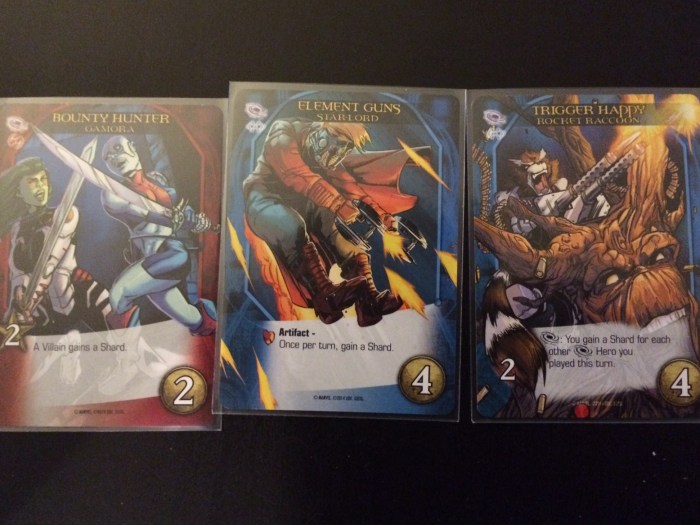
Ever wondered about the magic behind those extra card packs that breathe new life into your favorite games? From the clever business strategies that fuel their creation to the passionate player communities they ignite, card game expansions are a fascinating world of creativity, strategy, and pure gaming fun. We’ll delve into the intricate process of designing, developing, and marketing these expansions, exploring everything from balancing gameplay mechanics to crafting captivating marketing campaigns.
Prepare for a journey into the heart of expansion pack success!
This exploration covers the entire lifecycle of a card game expansion, from initial concept and design through to launch and ongoing player engagement. We’ll examine the financial side, analyzing revenue models and pricing strategies, and explore the crucial role of player feedback in shaping the expansion’s success. We’ll also investigate the impact of digital platforms on the industry, comparing and contrasting the benefits and challenges of physical versus digital expansions.
Get ready to shuffle your way through the fascinating world of card game expansions!
The Business of Card Game Expansions
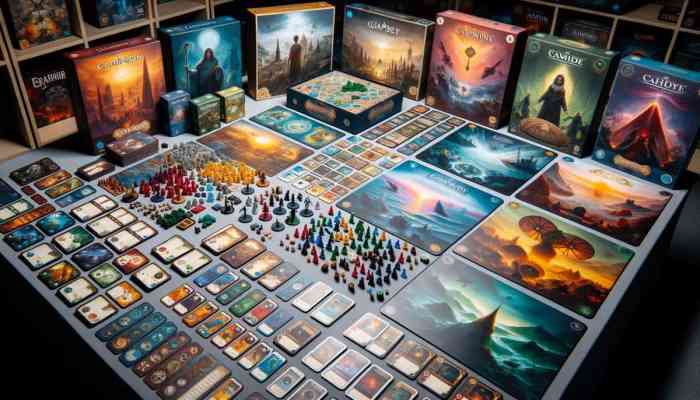
The success of many collectible card games (CCGs) and living card games (LCGs) hinges not only on the initial core set but also on the consistent release of engaging and profitable expansions. These expansions are crucial for maintaining player interest, generating ongoing revenue, and extending the lifespan of the game itself. Understanding the business model behind these expansions is key to comprehending the industry’s dynamics.
Revenue Models for Card Game Expansions
Companies utilize several revenue models to profit from card game expansions. The most common is direct sales, where expansions are sold individually or as part of larger bundles. Pre-orders often incentivize early purchases and provide valuable sales data. Another model involves selling booster packs, containing randomized cards, creating an element of chance and collectible value that encourages repeat purchases.
Some companies also incorporate in-game microtransactions, offering cosmetic items or exclusive digital content linked to physical expansions. Finally, organized play events, such as tournaments, often utilize expansion cards and offer prize support, further driving sales.
Factors Influencing Pricing Strategies
Several factors contribute to the pricing of card game expansions. Production costs, including printing, artwork, design, and manufacturing, form a significant baseline. The perceived value of the expansion, based on its content and impact on gameplay, directly influences pricing. Market analysis, considering competitor pricing and the demand for the game, is crucial. The rarity of certain cards within an expansion also affects price, as rarer cards command higher value in the secondary market.
Finally, the size and content of the expansion – whether it’s a small, focused set or a large, comprehensive one – play a major role in determining its price point.
Examples of Successful Expansion Packs and Their Marketing Strategies
The “Journey into Ny’alotha” expansion for
- Hearthstone* is a prime example. Its marketing leveraged existing fan engagement with the
- World of Warcraft* universe, creating cross-promotion opportunities. High-quality promotional videos showcasing new cards and mechanics, coupled with targeted social media campaigns, generated significant hype. Similarly, the
- Dominion* card game’s numerous expansions successfully maintained player interest by introducing new strategies and mechanics while remaining true to the core game’s design. Their marketing relied on word-of-mouth and a loyal community built around the game’s elegant gameplay. These successful examples highlight the importance of understanding the target audience and utilizing various marketing channels effectively.
Hypothetical Marketing Campaign for a New Expansion Pack
Let’s imagine a new expansion for a fantasy-themed LCG called “Shadows of the Dragon King.” The target audience is existing players and those interested in strategic card games with rich lore. The campaign would utilize a multi-pronged approach. A cinematic trailer would showcase dramatic artwork and exciting gameplay moments. Social media engagement would include behind-the-scenes content, previews of new cards, and community contests.
Partnerships with gaming influencers and reviewers would generate independent reviews and playthroughs. Pre-order bonuses, such as exclusive card sleeves or in-game items, would incentivize early purchases. Finally, a well-designed website would serve as a central hub for all campaign information.
Production Costs Versus Profit Margins for Different Expansion Types
A comparison of production costs and profit margins requires considering different expansion types. Small expansions, focusing on a few new mechanics or cards, will have lower production costs but may also have lower profit margins due to reduced sales volume. Larger expansions, offering substantial new content, will have higher production costs but potentially higher profit margins due to increased sales and collectible value.
Booster packs, while individually less expensive, generate high profit margins due to the randomized nature of their contents and the potential for rare card acquisition. Ultimately, a detailed cost-benefit analysis, considering factors such as print runs, marketing expenses, and distribution channels, is necessary to determine the optimal balance between production costs and profit margins for each type of expansion.
Player Engagement and Card Game Expansions
Card game expansions are crucial for maintaining player interest and extending the lifespan of a game. They offer a way to refresh gameplay, introduce new strategic elements, and keep players invested long after the initial release. The success of an expansion hinges on its ability to re-engage existing players while attracting new ones, a delicate balance that requires careful planning and execution.
This discussion will explore how expansions impact player retention, provide examples of successful re-engagement strategies, and examine ways to introduce new mechanics without alienating the original player base.Player Retention in Digital and Physical Card Games Through ExpansionsExpansions significantly influence player retention in both digital and physical card games. In physical games, expansions provide tangible new content, adding replayability and extending the game’s shelf life.
For digital games, expansions often come with updates and patches that improve the overall experience, address bugs, and add new content, thereby increasing player engagement. Successful expansions often include new cards, game modes, or even entirely new storylines to keep players invested and returning for more. The lack of such updates can lead to player burnout and attrition.
For instance, the consistent release of expansions for Magic: The Gathering keeps the player base engaged, while games lacking such support often see a sharp decline in active players.
Successful Re-engagement Strategies Illustrated Through Expansions
Several successful card game expansions have demonstrably re-engaged lapsed players. The Hearthstone expansion “Whispers of the Old Gods” introduced a new mechanic, “Deathrattle,” that dramatically altered gameplay and encouraged players who had stopped playing to return and explore the new strategies. Similarly, the “Knights of the Frozen Throne” expansion for Hearthstone added a unique “Death Knight” class, bringing in new players and re-engaging those who had grown tired of the existing meta.
These expansions demonstrated the power of introducing significant changes to gameplay without completely altering the core mechanics, appealing to both new and returning players. The key is to provide enough new content and mechanics to feel fresh without making the game unrecognizable to long-time players.
Introducing New Gameplay Mechanics Without Alienating Existing Players
The challenge lies in balancing innovation with familiarity. Successful expansions introduce new mechanics that complement existing ones, creating new strategic possibilities without making the game too complex or confusing for veteran players. For example, the introduction of new s or card types can add depth and complexity without fundamentally altering the core gameplay loop. Expansions should provide a gradual learning curve, allowing players to adjust to the new mechanics at their own pace.
Tutorials and in-game guides can help players understand and integrate the new elements. Poorly integrated new mechanics, on the other hand, can lead to frustration and player attrition. A clear understanding of the game’s core mechanics and a careful integration of new elements are crucial for success.
Player Satisfaction Survey for a New Card Game Expansion
To gauge player satisfaction, a comprehensive survey is necessary. Here’s a sample questionnaire:
| Question | Response Type |
|---|---|
| How satisfied are you with the new expansion’s overall quality? | Rating scale (1-5) |
| How much did the expansion add to your enjoyment of the game? | Rating scale (1-5) |
| How easy was it to learn and understand the new mechanics? | Rating scale (1-5) |
| Do you feel the new cards are well-balanced? | Yes/No/Unsure |
| What is your favorite aspect of the new expansion? | Open-ended text |
| What could be improved in future expansions? | Open-ended text |
Increasing Longevity and Replayability Through Expansions
Expansions directly contribute to the overall longevity and replayability of a card game. By adding new cards, mechanics, and game modes, expansions significantly increase the strategic depth and variety of gameplay. This prevents the game from becoming stale or predictable, encouraging players to return for more. The continuous release of expansions also creates a sense of ongoing development and support, keeping the community engaged and invested in the game’s future.
Games like Magic: The Gathering and Hearthstone exemplify this approach, constantly evolving their gameplay through regular expansions and maintaining a thriving player base for years.
Design and Development of Card Game Expansions
Creating a successful card game expansion is a delicate balancing act. It needs to excite existing players with fresh content while remaining accessible and engaging for newcomers. This involves a carefully considered design process, meticulous playtesting, and a deep understanding of the base game’s mechanics and player experience. The goal isn’t just to add more cards; it’s to enhance the overall gameplay experience, introducing strategic depth and replayability without disrupting the core appeal.
Iterative Design Process for Balanced and Engaging Expansions
The iterative design process for a card game expansion is cyclical and involves multiple stages of refinement. It begins with brainstorming new mechanics and card concepts, often inspired by player feedback or identified weaknesses in the base game. Early prototypes are then created and playtested extensively, identifying any imbalances or flaws. Based on this feedback, cards are adjusted, mechanics are refined, and new ideas are incorporated.
This cycle of design, testing, and revision continues until a satisfying level of balance and engagement is achieved. For example, if playtesting reveals a new card is overwhelmingly powerful, its effect might be weakened, its cost increased, or its conditions for activation made more stringent. Conversely, if a card proves too weak, it might be buffed with additional effects or reduced costs.
Challenges in Seamless Integration with the Base Game
Integrating a new expansion seamlessly with the base game presents several challenges. One major hurdle is maintaining the game’s existing balance. Introducing overpowered cards can make the original game trivial, while underpowered additions feel useless. Another challenge is ensuring that the expansion’s mechanics are intuitive and easy to learn for players already familiar with the base game. The new cards and mechanics should enhance, not complicate, the core gameplay loop.
A poorly integrated expansion can feel disjointed, leaving players feeling that the added content doesn’t fit with the rest of the game. For example, an expansion introducing a completely new resource type could disrupt the established resource management systems, creating confusion and frustration for players.
Balancing New Cards within an Existing Card Game
There are several approaches to balancing new cards. One common method is to introduce cards with varying power levels, ensuring that no single card is overwhelmingly dominant. Another approach is to create cards that interact strategically with existing cards, creating new synergies and tactical options. A third approach focuses on creating cards that address weaknesses or imbalances in the base game.
For instance, if a certain strategy is consistently dominant, new cards could be designed to counter that strategy. The key is to avoid creating cards that are either too strong or too weak, thus maintaining a dynamic and competitive environment.
Playtesting and Refining a Card Game Expansion
Playtesting is crucial for refining a card game expansion. A step-by-step guide involves assembling diverse groups of players with varying skill levels. Each playtest session should focus on specific aspects of the expansion, such as card balance, interaction with the base game, and overall game flow. Detailed feedback should be collected after each session. This feedback is then analyzed to identify areas needing improvement.
The design team iterates on the expansion based on this feedback, addressing identified issues and making adjustments to card effects, costs, or mechanics. This process repeats until the expansion achieves a satisfactory level of balance and playability.
Design Document for a New Expansion: “Whispers of the Ancients”
This expansion introduces new cards focused on elemental manipulation and strategic resource management.
| Card Name | Card Type | Card Effect | Art Description |
|---|---|---|---|
| Earthshaker | Creature | Deal 3 damage to a target creature. If this creature is destroyed, draw a card. | A massive earth elemental, cracks in its stony skin revealing glowing magma within. Surrounding terrain is shattered and smoking. |
| Wind Walker | Creature | Gain 2 movement points. Draw a card if you control another Wind creature. | A graceful humanoid figure made of swirling wind, translucent and shimmering. Leaves and dust swirl around it. |
| Water Spirit | Creature | Heal a friendly creature for 2 health. If you control another Water creature, gain 1 mana. | A serene, blue-skinned creature with flowing, water-like hair. Bubbles and small aquatic plants surround it. |
| Sunstone Amulet | Artifact | At the start of your turn, gain 1 mana. | A glowing amulet carved from a sunstone, radiating warmth and light. Intricate carvings depict celestial bodies. |
The Impact of Online Gaming on Card Game Expansions
The rise of online gaming has fundamentally reshaped the landscape of card game expansions, impacting everything from their release strategies to their very design. Digital platforms offer unprecedented opportunities for reaching players and engaging them with new content, but also present unique challenges for developers and publishers. This shift has led to innovative approaches to expansion delivery, monetization, and player interaction.Online platforms have dramatically altered the release and marketing of card game expansions.
Instead of relying solely on physical distribution through retail stores, developers now leverage digital storefronts like Steam, the Epic Games Store, and dedicated online platforms for their games. This allows for immediate releases, bypassing the delays inherent in physical manufacturing and distribution. Marketing efforts are also significantly enhanced through in-game notifications, social media campaigns targeted directly at players, and data-driven approaches to understanding player preferences and engagement.
This allows for more precise targeting and more effective advertising, leading to higher conversion rates.
Digital vs. Physical Card Game Expansions: Advantages and Disadvantages
Digital card game expansions offer several advantages over their physical counterparts. Instant accessibility is a major draw, eliminating shipping times and geographical limitations. Digital expansions also often allow for more frequent and smaller content drops, providing players with a constant stream of new cards and features. Updates and patches can be implemented swiftly, addressing bugs and balancing issues quickly.
Moreover, digital expansions can often be priced more competitively due to the lower production and distribution costs. However, digital expansions also have disadvantages. The initial investment in game development and platform maintenance can be substantial. Digital platforms require ongoing maintenance and updates to ensure stability and player satisfaction. Furthermore, the lack of physical tangibility can diminish the collecting aspect enjoyed by many physical card game players.
The reliance on internet connectivity and potential for digital rights management (DRM) issues also represents a significant drawback.
Successful Digital Card Game Expansions and Their Features
Several digital card game expansions have achieved remarkable success, showcasing innovative features and engaging gameplay. Hearthstone’s numerous expansions, for example, have consistently delivered new cards, mechanics, and game modes, keeping players engaged for years. Their success stems from a combination of factors, including well-balanced card designs, regular content updates, and a strong community engagement strategy. Magic: The Gathering Arena, the digital version of the popular tabletop game, effectively replicates the core gameplay experience while adding digital-specific features like automated deck building tools and daily quests.
The success of both these examples highlights the importance of balancing the familiar gameplay with new digital features that enhance the experience.
Online Game Development’s Influence on Expansion Design
Online game development significantly influences the design and features of card game expansions. The ability to collect detailed player data allows developers to make informed decisions about card balance, expansion themes, and the overall game design. A/B testing, for example, can be used to evaluate the impact of different card designs and mechanics on player engagement. This data-driven approach ensures that expansions are more likely to resonate with the player base.
Furthermore, the flexibility of digital platforms allows developers to experiment with new game modes, features, and monetization strategies, leading to more innovative and engaging expansions. This iterative process, driven by player feedback and data analysis, fosters a more dynamic and responsive development cycle.
Example Digital Card Game Expansion Interface
Imagine a digital card game expansion interface. Upon launching the expansion, the player is greeted with a vibrant splash screen showcasing the new cards and features. A clear and concise changelog details the additions and updates. The main menu provides easy access to several key features: a “New Cards” section with detailed descriptions and stats for each new card, a “Deck Builder” that integrates the new cards into existing decks or allows players to create entirely new decks, and a “Challenges” section featuring new game modes or single-player scenarios specifically designed around the expansion’s theme.
A “Store” section offers optional cosmetic items and additional card packs. The entire interface is visually appealing, intuitive, and responsive, providing a seamless and engaging user experience. The player can easily navigate between sections, preview cards, and manage their collection. The interface is also designed to provide regular updates and notifications about new content and events, maintaining player engagement and excitement.
Related Topics
The seemingly disparate worlds of online game development and physical card game expansions are surprisingly intertwined. The digital realm offers valuable insights and testing grounds for physical card games, while the success of physical card games can inspire and inform the creation of online counterparts. This interconnectedness is further amplified by the shared market forces and regulatory landscapes that influence both industries.
The Relationship Between Online Game Development and Card Game Expansions
Online game development provides crucial data-driven insights for card game expansion design. By observing player behavior in digital versions, developers can identify popular strategies, balance issues, and areas for improvement. This data-driven approach allows for more informed decisions when designing new cards, mechanics, and overall expansion themes. For example, A digital collectible card game (CCG) might reveal that a specific card combination is overwhelmingly powerful, prompting developers to adjust that combination in the physical version of the game, ensuring a more balanced and engaging experience for all players.
Conversely, successful physical card game expansions can inspire new content and game modes for their digital counterparts, expanding the overall player base and engagement.
The Market for Online Games Driving and Bike Games
The market for online driving and biking games is vast and diverse, catering to a broad spectrum of players with varying skill levels and preferences. Driving games range from realistic simulators to arcade-style racers, while biking games can focus on realistic cycling simulations, mountain biking challenges, or even fantasy-themed races. These games often incorporate microtransactions, season passes, and other monetization strategies similar to those employed in card game expansions, indicating a shared understanding of player engagement and revenue generation within the gaming industry.
The popularity of these games underscores the potential for similar monetization strategies in other online gaming segments. For example, the success of titles like Forza Horizon 5 (driving) and Riders Republic (biking) showcases the significant market demand and revenue potential within these niches.
Similarities and Differences Between Online Car Racing Games and Card Games
Online car racing games and card games share some fundamental similarities, primarily in their competitive nature and reliance on strategic decision-making. Both require players to develop skills, strategize, and adapt to opponents’ actions. However, they differ significantly in their mechanics and core gameplay loops. Car racing games emphasize reflexes, precise control, and mastery of vehicle handling, while card games focus on resource management, probability, and tactical planning.
Furthermore, the pacing of each is distinct; car racing is often fast-paced and action-oriented, whereas card games can be more deliberate and strategic. The visual and sensory experiences are also fundamentally different. Despite these differences, both genres share a common goal: to provide players with engaging and rewarding gameplay experiences.
Regulatory Environments of Gambling Card Games and Other Forms of Online Gambling
The regulatory environments surrounding gambling card games and other forms of online gambling vary significantly across jurisdictions. Gambling card games, such as poker, often fall under stricter regulations due to their inherent element of chance and potential for addiction. These regulations typically involve licensing requirements, restrictions on advertising, and measures to prevent underage gambling. Other forms of online gambling, such as sports betting or online casinos, face similar scrutiny, but the specific regulations can differ widely depending on the type of game and the jurisdiction.
For example, the United Kingdom has a robust regulatory framework for all forms of online gambling, overseen by the Gambling Commission, while other countries may have more lenient or less comprehensive regulations. The differences often stem from varying social attitudes towards gambling and the perceived risks associated with it.
The Role of Gambling Chips in Physical and Online Casinos
Gambling chips serve as a crucial intermediary in both physical and online casinos, streamlining the transaction process and enhancing the overall gaming experience. In physical casinos, chips represent monetary value and are exchanged for cash at the end of a session. They provide a convenient and secure way to manage bets without constantly handling large sums of cash. In online casinos, virtual chips perform a similar function, representing in-game currency that can be used to place bets.
The use of virtual chips enhances the digital experience by providing a sense of immersion and mimicking the feel of a physical casino. However, the underlying monetary value remains clearly linked to real-world currency in both scenarios, requiring robust security and anti-money laundering measures.
Job Responsibilities Within a Gambling Commission
A gambling commission holds a broad range of responsibilities aimed at ensuring fair play, protecting consumers, and preventing illegal gambling activities. These responsibilities include licensing and regulating gambling operators, enforcing gambling laws, investigating complaints, promoting responsible gambling practices, and conducting market research to identify emerging trends and risks. Specific job roles within a commission may include licensing officers, investigators, compliance officers, analysts, and legal counsel.
Each role contributes to the overall objective of maintaining a safe and regulated gambling environment. For example, a licensing officer would be responsible for reviewing applications from gambling operators and ensuring they meet the required standards before granting a license.
Characteristics That Make Certain Cities Attractive Hubs for Gambling Activities
Several factors contribute to a city’s attractiveness as a gambling hub. These include favorable legal frameworks, a strong tourism industry, proximity to large population centers, robust infrastructure (including transportation and accommodation), and a permissive cultural attitude towards gambling. Las Vegas, for example, benefits from all these factors, establishing itself as a global gambling capital. Macau, another prominent example, combines a favorable regulatory environment with its proximity to mainland China’s large and affluent population.
The presence of established casinos and supporting entertainment venues also contributes to a city’s attractiveness as a gambling destination, creating a synergistic effect that draws in both tourists and local players.
Legal Frameworks Surrounding Online Gambling in Different Jurisdictions
The legal frameworks governing online gambling vary significantly across different jurisdictions, ranging from complete prohibition to comprehensive regulation. Some countries have entirely banned online gambling, while others have implemented strict licensing and regulatory regimes to control the industry. Still others adopt a more laissez-faire approach, with minimal or no regulation. The European Union, for instance, has a patchwork of national regulations, with some member states having liberalized online gambling while others maintain stricter controls.
The United States exhibits significant variations between states, with some states fully legalizing online gambling and others maintaining prohibitions. These differing legal frameworks reflect varying social, economic, and political considerations related to gambling and its potential impact on society.
Closing Notes
So, there you have it – a whirlwind tour of the exciting world of card game expansions! From the intricate business models and design processes to the crucial role of player engagement and the transformative influence of digital platforms, we’ve uncovered the multifaceted nature of these game-changing additions. Whether you’re a seasoned game designer, a passionate player, or simply curious about the industry, understanding the dynamics of card game expansions offers a compelling glimpse into the creative and commercial forces that shape the gaming landscape.
Now, go forth and conquer those new card packs!
FAQs
What makes a successful card game expansion?
A successful expansion enhances the base game without breaking it, introduces engaging new mechanics, offers replayability, and aligns with player expectations and desires. Strong marketing and community engagement are also vital.
How are card game expansions priced?
Pricing varies depending on the size, content, and perceived value of the expansion. Factors like production costs, market research, and competitor pricing all play a role.
How long does it take to develop a card game expansion?
Development time varies greatly, but it typically involves months of design, playtesting, art creation, and production, often lasting anywhere from 6 months to over a year.
What are the risks associated with releasing a card game expansion?
Risks include poor reception from players, high production costs outweighing sales, and difficulty balancing new content with the original game. Thorough testing and market research are crucial to mitigate these risks.


