
Ever wondered what it’s like to play a game
-before* it’s officially finished? That’s the world of Early Access games! These titles offer a unique peek behind the curtain, letting players experience a work-in-progress and directly influence its development. But is it all sunshine and roses? Dive in with us as we explore the thrilling highs and sometimes bumpy lows of this exciting approach to game development and release.
From the developer’s perspective, Early Access presents a chance to gather invaluable player feedback, test game mechanics, and even generate revenue while the game is still under construction. For players, it’s a chance to be part of something special, shaping the future of their favorite games, but also accepting the potential for bugs, unfinished content, and even the possibility that the game might not live up to its early promise.
We’ll unpack both sides of this equation, examining the benefits and risks for both developers and players.
Defining Early Access Games
Early Access games represent a unique stage in game development, offering players a sneak peek into a work-in-progress. This model allows developers to gather valuable feedback and iterate on their design before a full, polished release, fostering a collaborative relationship between creators and players. It’s a dynamic process that can lead to significantly improved final products, but also carries inherent risks.Early Access games are characterized by their unfinished nature.
Features may be incomplete, bugs are likely present, and the overall experience might feel rough around the edges. However, this “roughness” is part of the appeal for many players, who enjoy being involved in the evolution of a game and contributing to its final form. The level of completion varies greatly between Early Access titles; some might be almost finished, lacking only polish and minor features, while others are much more rudimentary, representing a very early stage of development.
Early Access Models
There are primarily two models for Early Access game releases: paid and free. Paid Early Access titles require a purchase upfront, granting players access to the current build of the game. This model provides developers with immediate funding to continue development, though it also places a greater expectation on delivering a worthwhile experience from the start. Free Early Access, on the other hand, allows players to access the game without an upfront cost.
This model can attract a larger player base, providing more feedback but potentially generating less immediate revenue for the developers. Monetization in free Early Access games often relies on in-game purchases, optional cosmetic items, or a paid full release later. The choice between paid and free heavily influences the developer’s strategy and the expectations surrounding the game’s progression.
Benefits of Early Access for Developers
Releasing a game in Early Access offers several key advantages for developers. Firstly, it provides invaluable player feedback early in the development cycle. This allows for course correction, addressing issues and incorporating player suggestions before significant resources are invested in features that might ultimately prove unpopular. Secondly, Early Access provides a source of funding. For paid Early Access titles, this is directly through sales.
For free Early Access, this might be through in-game purchases or crowdfunding campaigns built on early player interest. Finally, Early Access can build a community around the game, generating hype and anticipation for the full release. This organic marketing can be significantly more effective and less expensive than traditional marketing campaigns. The success of games like
- Minecraft* and
- DayZ*, which spent considerable time in Early Access, clearly demonstrates the potential benefits of this model.
Risks of Early Access for Developers
Despite the benefits, releasing a game in Early Access carries significant risks. Negative feedback can damage the game’s reputation before the full release, potentially deterring future players. Managing community expectations can be challenging, particularly if development takes longer than anticipated or if promised features are delayed or removed. The constant need for updates and bug fixes can strain developer resources and impact the overall development timeline.
Furthermore, the revenue generated during Early Access may not always be sufficient to support the game’s full development, leading to potential financial difficulties. A poorly managed Early Access period can result in a negative impact on the final product and its overall success.
Early Access vs. Traditional Game Releases
The key difference between Early Access and traditional game releases lies in the level of completion and the involvement of players in the development process. Traditional releases aim to deliver a polished, bug-free experience from the start, requiring extensive testing and refinement before launch. Early Access, in contrast, embraces imperfection, viewing the development process as a collaborative journey with players.
Traditional releases generally have higher upfront costs associated with marketing and distribution, whereas Early Access relies more on organic growth and community engagement. The success of each model depends on different factors; traditional releases prioritize a polished final product, while Early Access prioritizes community involvement and iterative development. The choice between these models depends heavily on the game’s scope, the developer’s resources, and their overall development strategy.
The Player Perspective on Early Access Games
Early Access games offer a unique proposition to players: a chance to experience a game in its formative stages, directly influencing its final form. This participation, however, comes with a distinct set of motivations, advantages, and disadvantages that shape the player experience. Understanding these aspects is crucial for both developers and players to navigate the world of Early Access successfully.Player Motivations in Early Access ProgramsPlayers are drawn to Early Access for a variety of reasons.
Some seek the thrill of being among the first to experience a new game, acting as pioneers in uncharted virtual territory. Others are driven by a desire to contribute directly to the development process, providing feedback that can shape the final product. The promise of a potentially lower price point compared to the full release is also a significant draw for many budget-conscious gamers.
Finally, the unique opportunity to witness the evolution of a game from its initial stages to its polished release is a compelling factor for many dedicated players.Advantages and Disadvantages from a Player’s Point of ViewThe advantages of participating in Early Access are plentiful. Players gain early access to gameplay, obviously, often receiving exclusive content or features not available in the final release.
This early access allows players to shape the game’s direction through feedback, potentially influencing game mechanics, storylines, or even the overall feel of the game. Furthermore, the price is typically lower than the final release price. However, disadvantages also exist. Early Access games are often unstable, featuring bugs, glitches, and incomplete features. The game’s final form may differ significantly from its Early Access version, potentially disappointing players who invested their time and money.
Finally, there’s the risk that the game may never be fully released, leaving players with an unfinished product.The Community Aspect of Early Access Game DevelopmentEarly Access fosters a strong sense of community among players. The shared experience of playing an unfinished game, providing feedback, and engaging in discussions with developers and other players creates a unique bond. This collaborative environment allows for a direct line of communication between developers and players, fostering a sense of ownership and investment in the game’s development.
The community often acts as a testing ground, identifying bugs and suggesting improvements that the developers might otherwise miss. Active community participation is often rewarded with exclusive access, recognition, and a sense of belonging within the game’s ecosystem. This collaborative process is what differentiates Early Access from traditional game releases. For example, the community around games like
- Factorio* and
- Minecraft* are prime examples of how this interaction can shape a game’s longevity and success.
Player Satisfaction Survey: Early Access GamesThe following table Artikels a survey designed to gauge player satisfaction with Early Access games. The aim is to collect data to better understand the player experience and identify areas for improvement in future Early Access releases.
| Question | Response Type | Scale | Notes |
|---|---|---|---|
| How satisfied were you with the overall game experience? | Rating Scale | 1-5 (1=Very Dissatisfied, 5=Very Satisfied) | Measure overall satisfaction. |
| How would you rate the game’s stability and performance? | Rating Scale | 1-5 (1=Very Unstable, 5=Very Stable) | Assess technical aspects. |
| How responsive were the developers to player feedback? | Rating Scale | 1-5 (1=Not at all Responsive, 5=Very Responsive) | Gauge developer communication. |
| Did the final game meet your expectations based on the Early Access version? | Yes/No | N/A | Compare expectations to reality. |
| Would you recommend this game to other players? | Yes/No | N/A | Assess overall recommendation. |
| What aspects of the game did you enjoy the most? (Open-ended) | Text Input | N/A | Gather qualitative feedback. |
| What aspects of the game could be improved? (Open-ended) | Text Input | N/A | Identify areas for improvement. |
Early Access and Game Development Practices
Embarking on an Early Access release is a double-edged sword for game developers. It offers invaluable player feedback and community building opportunities, but also presents unique challenges that can make or break a project. This section delves into the practical aspects of navigating the Early Access phase, from common pitfalls to strategies for success.
Common Challenges Faced During Early Access
The Early Access period is rarely smooth sailing. Developers often face unexpected hurdles, ranging from technical issues to managing community expectations. Poorly managed expectations, for instance, can lead to significant backlash if the game doesn’t meet the community’s vision, especially if updates are infrequent or fail to address critical issues. Furthermore, the constant influx of feedback can be overwhelming, requiring developers to prioritize effectively and avoid feature creep, which can delay the final product significantly.
Balancing bug fixes, new content development, and community interaction is a constant juggling act demanding careful resource allocation. Finally, the financial pressure of maintaining development during the Early Access period, while not generating full revenue, can also create significant strain.
Examples of Successful Early Access Game Launches
Several games have successfully leveraged the Early Access model to their advantage.
- Minecraft*, for example, spent years in Early Access, allowing Mojang to iteratively build upon the game based on direct player feedback. This resulted in a massive global phenomenon. Similarly,
- Subnautica* used Early Access to refine its gameplay mechanics and build a dedicated community around its underwater exploration theme. The developers actively engaged with the community, addressing bugs, and incorporating suggestions, resulting in a polished and critically acclaimed final product. These successes highlight the potential of Early Access when implemented strategically.
Strategies for Effective Community Management in Early Access
Maintaining a healthy and productive relationship with the Early Access community is paramount. Transparency is key; developers should openly communicate their plans, progress, and challenges. Regular updates, even if they’re just small bug fixes, help maintain engagement and demonstrate responsiveness. Actively soliciting feedback through surveys, forums, and direct communication channels is crucial. Prioritizing feedback based on impact and feasibility helps manage expectations and avoids overwhelming the development team.
Creating a dedicated space for community interaction, such as a Discord server or forum, fosters a sense of belonging and allows for direct interaction between developers and players. Finally, being responsive to both positive and negative feedback, acknowledging issues, and demonstrating a commitment to improvement builds trust and strengthens the community.
A Step-by-Step Guide for Developers Considering Early Access Release
- Thorough Pre-Production Planning: Define clear goals for the Early Access phase, outlining specific features to be implemented and milestones to be reached. Develop a robust communication plan to manage community expectations.
- Stable Core Gameplay: Ensure the core mechanics are polished and functional before launching into Early Access. Releasing a buggy or unfinished game can damage your reputation.
- Community Engagement Strategy: Establish communication channels and a plan for gathering and responding to feedback. Decide how you’ll prioritize and manage bug reports and feature requests.
- Regular Updates & Transparency: Commit to a schedule for updates and communicate this to the community. Be transparent about challenges and delays.
- Feedback Integration & Iteration: Actively seek and incorporate player feedback into development. Demonstrate a willingness to adapt based on community input.
- Technical Infrastructure: Implement systems for tracking bugs, managing feedback, and facilitating communication with players.
- Marketing & Promotion: Develop a marketing strategy that clearly communicates the game’s status as Early Access and manages expectations.
The Business Model of Early Access Games
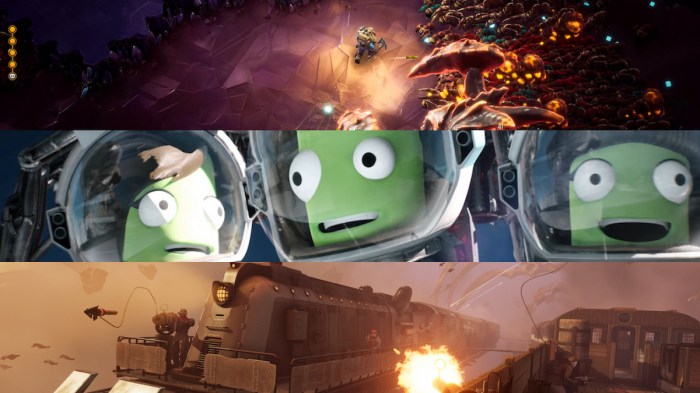
Early Access game development represents a fascinating intersection of risk and reward, significantly altering traditional game release strategies and revenue models. By releasing a game in an unfinished state, developers gain valuable player feedback, refine their product, and generate income before the full release, mitigating some of the financial uncertainty inherent in game development. However, this approach also necessitates careful management of player expectations and a robust strategy for balancing development with ongoing revenue generation.Early Access significantly impacts game pricing and sales strategies.
Early Access Pricing and Sales Strategies
Developers often adopt a lower initial price point for Early Access releases, reflecting the game’s incomplete state. This strategy attracts a dedicated player base willing to participate in the development process and provides an opportunity to build a community around the game. As the game progresses through development and new features are added, the price can be gradually increased, reflecting the added value.
This tiered pricing approach mirrors subscription services, offering different levels of access and features at different price points. For example, a game might start at $15 and increase to $25 upon the addition of major gameplay features. Simultaneously, marketing strategies during Early Access focus on building community engagement rather than broad market penetration. This is achieved through active engagement on social media platforms, game forums, and streaming services, fostering direct communication between developers and players.
The Role of Player Feedback in Shaping the Final Product
Player feedback is arguably the most crucial aspect of the Early Access model. Direct interaction with players allows developers to identify bugs, balance gameplay, and refine game mechanics based on real-world testing and community input. This iterative development process, driven by player feedback, often results in a more polished and enjoyable final product than would be possible with traditional closed-door development.
For example, a developer might release an Early Access version with a specific combat system, only to discover through player feedback that the system is overly complex or unbalanced. This feedback then allows the developers to adjust the system, making it more intuitive and enjoyable before the official release. The value of this feedback is immeasurable; it directly impacts the success of the final product, reducing the risk of a poorly-received game upon full release.
Revenue Models of Early Access Games Compared to Fully Released Games
Early Access games primarily generate revenue through upfront purchases, offering early access to the game in its incomplete form. This differs from fully released games, which often rely on a single purchase price. However, some Early Access games incorporate additional revenue streams such as in-game purchases, cosmetic items, or expansion packs. This contrasts with the model of a fully released game, where revenue is primarily generated from the initial sale and potentially DLCs released post-launch.
The continuous revenue stream during Early Access can significantly reduce the financial risk associated with game development, providing a buffer against potential post-launch failures. The extended sales period of Early Access also helps increase the overall revenue potential compared to a single launch date for a fully released game.
A Financial Model for an Early Access Game
The following table presents a simplified financial model for a hypothetical Early Access game, demonstrating potential revenue streams. These figures are illustrative and should be adapted to specific game circumstances.
| Revenue Source | Projected Revenue | Assumptions |
|---|---|---|
| Initial Sales (Early Access) | $50,000 | 5,000 sales at $10 per copy |
| Price Increases (during Early Access) | $20,000 | Price increase after 3 months, resulting in additional 2,000 sales |
| In-Game Purchases (Cosmetics) | $15,000 | Average of $1.50 per player during Early Access |
| Full Release Sales | $100,000 | 10,000 sales at $10 per copy (includes existing players) |
| Total Projected Revenue | $185,000 |
Early Access and Specific Game Genres
Early Access presents a unique opportunity for developers and players alike, but its suitability varies drastically depending on the genre. The inherent nature of unfinished products means some genres are better suited to the iterative development and community feedback that defines the Early Access model than others. This section explores how different game genres leverage—or struggle with—the Early Access model.Early Access’s success hinges on a strong foundation and clear communication with players.
Genres with complex mechanics or extensive content may benefit more from the extended development period, allowing for thorough testing and refinement before a full release. Conversely, simpler genres might find the Early Access model less beneficial, potentially leading to player frustration with incomplete features.
Role-Playing Games (RPGs) and Early Access
RPGs, with their rich narratives, deep character customization, and often sprawling worlds, are particularly well-suited to the Early Access model. The iterative nature of Early Access allows developers to gather player feedback on core gameplay loops, narrative pacing, and character progression systems. This feedback can be invaluable in shaping the final product. Successful examples include
Pathfinder
Kingmaker* and
Divinity
Original Sin 2*, both of which used Early Access to refine their complex systems and polish their overall experiences based on extensive community input. Player expectations in RPG Early Access often center on a robust core gameplay loop, a compelling narrative foundation, and a promise of continued content expansion. The challenges lie in managing expectations regarding content completeness and balancing iterative development with the need to maintain narrative cohesion.
Opportunities exist in building a strong community around the game’s development, fostering a sense of shared ownership and investment in the final product.
Strategy Games and Early Access
Strategy games, especially those with complex mechanics and extensive unit balancing, often benefit from the prolonged testing phase afforded by Early Access. Games like
- Northgard* and
- Into the Breach* leveraged Early Access to fine-tune their gameplay, balance factions, and address potential exploits. Player expectations in this genre often revolve around balanced gameplay, a deep strategic layer, and regular updates addressing issues discovered during playtesting. The challenges include managing the balance between playability and completeness, as incomplete features or unbalanced units can severely impact the player experience.
Opportunities arise from actively engaging the community in balancing and testing, turning players into invaluable beta testers.
Simulation Games and Early Access
Simulation games, encompassing a broad range of titles from city builders to flight simulators, present a mixed bag in terms of Early Access suitability. Highly complex simulations, such as
Cities
Skylines*, have seen success with Early Access, allowing developers to address performance issues and refine gameplay mechanics based on community feedback. Conversely, simpler simulations might not benefit as much from the extended development period. Player expectations in simulation games often center on realism, depth of simulation, and a sense of progression. The challenges lie in managing the technical complexity of the simulation, ensuring performance remains stable even with incomplete features.
Opportunities exist in building a community that contributes to the game’s development by suggesting improvements or reporting bugs.
Gambling-Related Topics
The world of gambling is vast and multifaceted, encompassing a wide array of games, regulations, and economic impacts. From the elegant halls of Monte Carlo to the virtual tables of online casinos, the allure of chance and the potential for significant wins have captivated people for centuries. This section delves into several key aspects of the gambling industry, examining the mechanics of popular games, the role of regulatory bodies, and the factors contributing to the rise of prominent gambling hubs.
Types of Gambling Card Games and Their Mechanics
Gambling card games boast diverse rules and complexities, each offering a unique blend of skill and chance. Poker, for instance, involves strategic betting based on the player’s hand and assessment of opponents’ behavior. Different poker variations, such as Texas Hold’em, Omaha, and Seven-Card Stud, modify the gameplay with unique hand rankings and betting structures. Blackjack, on the other hand, pits players against the dealer, aiming to achieve a hand value closer to 21 without exceeding it.
Baccarat, a game of pure chance, focuses on predicting which hand – the player’s or the banker’s – will have a higher total. Each game’s mechanics dictate its odds and strategic considerations, making the choice of game a crucial factor for any gambler.
The Role of Gambling Chips in Casinos and Online Gambling
Gambling chips serve as a convenient and secure medium of exchange within casinos and online gambling platforms. In physical casinos, chips represent monetary value, streamlining transactions and enhancing the overall gaming experience. Their varying colors and denominations facilitate quick identification of bet amounts, allowing for swift gameplay. Online gambling platforms utilize virtual chips that mirror this functionality, providing a digital representation of monetary value for online bets.
The use of chips, whether physical or virtual, helps maintain order and security, reducing the handling of cash and minimizing the risk of theft or fraud. This standardized system enhances the efficiency and transparency of gambling transactions.
Responsibilities of Gambling Commission Jobs
Gambling commissions play a crucial role in regulating and overseeing the gambling industry. Their responsibilities include licensing and monitoring gambling operators, ensuring compliance with regulations, investigating complaints, and protecting vulnerable individuals from harm. They also conduct audits to ensure the fairness and integrity of games, and implement measures to prevent money laundering and other illegal activities. Furthermore, gambling commissions are responsible for educating the public about responsible gambling practices and providing support for individuals struggling with gambling addiction.
The effective functioning of these commissions is vital for maintaining the integrity and safety of the gambling industry.
Characteristics of Attractive Gambling Hubs
Several factors contribute to a city’s appeal as a gambling hub. Favorable legal and regulatory frameworks, offering a permissive environment for gambling operations, are often key. Strategic location and accessibility, including convenient transportation links and proximity to major population centers, are also significant. The availability of high-quality accommodation, entertainment options, and other amenities enhance the overall experience for visitors.
Las Vegas, for example, benefits from a combination of these factors, along with a long-standing reputation and substantial investment in infrastructure. Macau’s success stems from its proximity to mainland China’s large population and its focus on luxury and high-roller gambling.
Regulatory Aspects of Online Gambling and Its Impact on the Industry
The regulatory landscape of online gambling is complex and varies significantly across jurisdictions. Some countries have fully legalized and regulated online gambling, while others maintain strict prohibitions. The regulatory approach impacts the industry’s growth, profitability, and safety. Strict regulations can limit the expansion of online gambling operators, while lax regulations can lead to increased risks of fraud and money laundering.
The implementation of robust licensing frameworks, anti-money laundering measures, and player protection mechanisms is crucial for ensuring the responsible and sustainable development of the online gambling industry. The ongoing evolution of technology and the increasing popularity of online gambling necessitate a continuous adaptation of regulatory frameworks to address emerging challenges and safeguard consumers.
Final Thoughts
So, is Early Access the future of gaming? While it’s certainly a significant part of the landscape, the answer is nuanced. It offers a compelling alternative to traditional game releases, providing both developers and players with unique opportunities and challenges. Ultimately, whether an Early Access game is a success hinges on a delicate balance: the developer’s ability to manage community expectations, incorporate feedback effectively, and deliver a polished final product, coupled with the players’ understanding of the inherent risks and rewards of participating in a work-in-progress.
The journey, however, is often as exciting as the destination.
FAQ Section
What happens to my Early Access game purchase if the game is abandoned?
Unfortunately, there’s no guarantee. Some developers disappear, leaving Early Access games unfinished. However, many platforms offer refund options if the game significantly deviates from its advertised promises.
Are Early Access games always cheaper than full releases?
Not necessarily. Some developers price Early Access games at a lower cost to incentivize participation, while others charge the full price upfront. Pricing strategies vary greatly.
How can I provide feedback on an Early Access game?
Most Early Access games have dedicated forums, Discord servers, or in-game feedback mechanisms. Check the game’s official website or platform page for instructions on how to provide feedback.
Can I get a refund for an Early Access game I don’t like?
Refund policies vary depending on the platform (Steam, Epic Games Store, etc.). Check the platform’s refund policy for details. Generally, refunds are more likely if the game is significantly different from what was advertised.


