
Ever wished you could play your favorite childhood games on your modern PC? Step into the exciting world of computer game emulators! These powerful programs let you relive classic gaming experiences by mimicking the hardware of older consoles. From the pixelated charm of NES games to the groundbreaking 3D worlds of the PlayStation, emulators unlock a treasure trove of retro titles and open up a fascinating look at gaming history.
But it’s not just about nostalgia; emulators also play a crucial role in game preservation, development, and even modern game design.
We’ll explore the technical magic behind emulators, the legal and ethical considerations surrounding ROMs (game files), and the surprising impact they’ve had on the gaming industry. We’ll also delve into how emulators are used in modern game development and examine the world of online driving and bike games – a vibrant subgenre often overlooked in broader gaming discussions. Buckle up, it’s going to be a fun ride!
What are Computer Game Emulators?
Computer game emulators are programs that mimic the hardware of a specific game console or computer system, allowing you to play games designed for that original system on a different, often more modern, computer or device. This opens up a world of classic and retro gaming to a wider audience, bypassing the need for obsolete hardware. They essentially create a virtual environment that perfectly replicates the original console’s functionality.Emulation involves complex technical processes.
The emulator software interprets the instructions from the game’s ROM (Read-Only Memory) file – a digital copy of the game’s cartridge or disc – and translates them into instructions that your current computer can understand. This process often requires a BIOS (Basic Input/Output System) file, which is a digital copy of the original console’s startup firmware. The BIOS contains the essential instructions that allow the console to boot up and interact with the game cartridge.
Think of the ROM as the game itself and the BIOS as the operating system of the console being emulated. Without the BIOS, the emulator wouldn’t know how to interact with the ROM.
Popular Emulators for Different Consoles
Several emulators cater to different consoles, each boasting unique features and capabilities. The choice of emulator often depends on the specific console being emulated, desired features, and the user’s technical expertise. Popular examples include:* NES (Nintendo Entertainment System): NESticle and FCEUX are well-regarded emulators for the NES, known for their accuracy and extensive features. NESticle is often praised for its simplicity, while FCEUX offers more advanced options for tweaking and customization.* SNES (Super Nintendo Entertainment System): Snes9x and Higan are prominent SNES emulators.
Snes9x is known for its user-friendliness and wide compatibility, while Higan prioritizes accuracy and emulation of even the smallest details, sometimes at the cost of speed.* PS1 (Sony PlayStation): ePSXe is a popular and powerful PS1 emulator, capable of running most PS1 games with high accuracy and decent speed. It provides features like controller configuration, memory card support, and CD-ROM image support.
Comparison of Popular Emulators
The following table compares three popular emulators across several key features:
| Feature | ePSXe (PS1) | Snes9x (SNES) | FCEUX (NES) |
|---|---|---|---|
| Accuracy | High | High | Very High |
| Speed | Good (depends on game and hardware) | Excellent | Excellent |
| Features | Controller support, memory card support, CD-ROM image support | Save states, cheat codes, controller support | Save states, cheat codes, extensive debugging tools |
| Ease of Use | Moderate | Easy | Moderate |
Legal and Ethical Considerations of Emulators
The world of emulation, while offering nostalgic access to classic games, treads a complex path through legal and ethical territory. The legality and morality of using emulators and ROMs are often debated, hinging on copyright law and fair use principles. Understanding these nuances is crucial for anyone engaging with this technology.The legal gray area surrounding ROM distribution and emulator use stems from copyright law.
Game ROMs, containing the game’s code and assets, are undeniably copyrighted material. While emulators themselves are generally legal—they’re tools, like a media player—distributing or downloading copyrighted ROMs without permission from the copyright holder is a clear infringement. The situation becomes muddier when considering the concept of “abandonware,” referring to games whose copyright holders are seemingly untraceable or have ceased actively enforcing their rights.
However, even with abandonware, the legal status remains uncertain, as copyright can persist for decades.
ROM Distribution and Copyright Infringement
Distributing ROMs, regardless of the game’s age or perceived status as abandonware, is a violation of copyright. This applies to sharing ROMs online through file-sharing websites, torrent networks, or even directly with friends. Copyright holders retain the exclusive right to reproduce, distribute, and create derivative works based on their games. Companies like Nintendo, Sega, and Sony actively pursue legal action against those engaged in large-scale ROM distribution, demonstrating the significant risks involved.
Even small-scale sharing can lead to legal repercussions, especially if the copyright holder chooses to pursue the matter. The potential penalties range from cease-and-desist letters to substantial fines and legal fees.
Ethical Implications of Emulating Without Ownership
Even if legally permissible in a specific instance (a highly improbable scenario), emulating games without owning the original raises ethical questions. It essentially constitutes using intellectual property without compensating the creators. While the financial impact of individual emulation might seem negligible, the collective effect of widespread unauthorized emulation could significantly impact the game industry, discouraging the creation and preservation of future games.
Consider the financial strain on independent developers who may rely heavily on sales to support their work. The ethical stance suggests that respecting intellectual property rights is paramount, and that emulation should ideally be confined to games legally owned.
International Legal Variations Regarding ROMs and Emulation
The legal landscape surrounding ROMs and emulation differs across countries. Some countries have stricter copyright laws than others, resulting in varying levels of enforcement. For example, the United States has robust copyright protection, leading to more active legal action against copyright infringement. In contrast, other countries may have less stringent enforcement, though copyright law itself remains largely in place.
Navigating these international differences requires careful consideration, as downloading or distributing ROMs might be illegal in one jurisdiction but not another—although traveling with illegal material could still lead to issues at border crossings. This complexity underscores the importance of understanding the specific laws of your location and adhering to them.
Risks of Downloading ROMs from Untrusted Sources
Downloading ROMs from untrusted sources presents significant risks beyond copyright infringement. These sources often contain malware, viruses, or other malicious software that can compromise your computer’s security. The potential consequences include data theft, system damage, and financial loss. Legitimate ROM sites are rare and often require proof of ownership of the original game. Therefore, extreme caution is advised when seeking ROMs online.
Sticking to known, reputable sources (even if these are few and far between) significantly mitigates these risks.
The Impact of Emulators on the Gaming Industry
Emulators, while often viewed as a threat by some in the gaming industry, have profoundly impacted its landscape, creating both challenges and opportunities. Their existence has sparked debates about intellectual property, legality, and the very nature of game preservation, ultimately shaping the industry in unexpected ways. This section explores the multifaceted influence of emulators, examining their positive and negative consequences.Emulators’ effects on game developers and publishers are complex and often contradictory.
On one hand, the unauthorized emulation and distribution of games represents a significant loss of potential revenue, undermining sales and potentially hindering future development. This is especially true for smaller studios or indie developers who rely heavily on direct sales. On the other hand, emulators can expose older games to a new generation of players, potentially reigniting interest in classic titles and prompting renewed demand for remakes, remasters, or even sequels.
This can lead to unexpected financial benefits for publishers who are able to capitalize on this renewed interest.
Emulators as Guardians of Gaming History
Emulators play a vital role in preserving gaming history. Many classic games are no longer playable on modern hardware due to incompatibility issues or the deterioration of original cartridges and discs. Emulators bridge this gap, providing access to these titles for both nostalgic players and those discovering them for the first time. This accessibility fosters a deeper understanding and appreciation of the evolution of game design, technology, and culture.
Without emulators, countless historical games would be lost to time, their unique mechanics and artistic styles forever inaccessible. For example, the preservation of early arcade classics like Pac-Man or Space Invaders would be significantly more challenging without the use of emulators.
Emulators as Catalysts for New Development and Modding
The ability to easily access and modify game code through emulation has fueled the growth of vibrant modding communities. Modders create new content, levels, characters, and even entire gameplay experiences, extending the lifespan of games far beyond their original release. This creative energy not only benefits players but can also inspire new game development. Developers may draw inspiration from successful mods, incorporating similar mechanics or aesthetics into their own projects.
Furthermore, the technical expertise developed within modding communities can contribute to advancements in game development itself. The modding community surrounding games like Skyrim, for example, is a testament to the creative potential unlocked by emulation and its accessibility to modification.
Emulators and the Preservation of Rare or Lost Games
Imagine a scenario where a devastating fire destroys a major archive of early video game prototypes. Without digital copies, these unique pieces of gaming history would be irretrievably lost. However, if even a single playable copy existed somewhere, emulation could play a critical role in preservation. Emulators allow for the creation of digital backups, ensuring that these rare games are not lost forever.
This digital preservation offers a level of protection far superior to physical storage, safeguarding against damage, theft, or natural disasters. The potential for this preservation is immense, particularly for games that exist only in a handful of physical copies or those at risk of decay. This hypothetical scenario highlights the crucial role emulators can play in protecting a valuable part of our cultural heritage.
Online Game Development and Emulators
Emulators, initially known for their role in preserving and playing classic games, have quietly become invaluable tools in modern online game development. Their ability to mimic various hardware and software environments offers developers a powerful suite of functionalities for testing, debugging, and optimizing their creations across a wide range of platforms and devices. This allows for a more efficient and streamlined development process, ultimately leading to a higher-quality gaming experience for players.Emulators provide a controlled environment for developers to meticulously examine the performance and stability of their online games.
This is crucial, especially for online games which rely on seamless server-client interactions and real-time gameplay.
Emulators as Testing and Debugging Tools
Emulators allow developers to test their games on a multitude of target hardware configurations without needing to physically own each device. This significantly reduces development costs and accelerates the testing process. For instance, a developer can use an emulator to simulate the performance of their game on a low-end Android phone, identifying potential performance bottlenecks or glitches that might otherwise only be discovered after release.
They can also test compatibility with different operating systems and versions, ensuring a consistent experience for all players. Debugging is simplified as emulators often provide detailed logging and debugging tools, allowing developers to pinpoint and resolve issues more quickly and efficiently than traditional methods. By recreating specific hardware or software conditions that cause problems, developers can systematically address bugs and optimize game performance in a targeted way.
Analyzing and Improving Online Game Performance with Emulators
Emulators offer unique capabilities for performance analysis. By simulating various network conditions, developers can test how their game handles latency, packet loss, and other network issues. This is particularly critical for online games where smooth, responsive gameplay is paramount. Emulators can also be used to profile the game’s CPU and GPU usage, identifying performance bottlenecks that might impact frame rate or cause lag.
For example, a developer might use an emulator to test their game under high-load conditions, simulating a large number of concurrent players to identify and address potential server-side performance issues. This proactive approach ensures a stable and enjoyable experience for all players.
Challenges and Benefits of Using Emulators in Online Game Development
The integration of emulators into the online game development pipeline presents both advantages and disadvantages. Careful consideration of these aspects is crucial for successful implementation.
Here’s a breakdown of the key points:
- Benefits:
- Cost-effective testing across multiple platforms and devices.
- Improved debugging capabilities with detailed logging and tools.
- Enhanced performance analysis and optimization.
- Faster development cycles due to streamlined testing and debugging.
- Early identification and resolution of compatibility issues.
- Challenges:
- Emulators may not perfectly replicate the real hardware/software environment, leading to potential discrepancies.
- The complexity of setting up and configuring emulators can add overhead to the development process.
- Maintaining and updating emulators to support the latest hardware and software can be time-consuming.
- Emulators might require specialized skills and knowledge to use effectively.
- Potential for inaccurate performance metrics due to emulation overhead.
Online Games, Driving, and Bike Games
The world of online gaming has exploded, offering immersive experiences beyond single-player adventures. Driving and bike games, in particular, have benefited immensely from the online sphere, transforming from solitary pursuits into competitive and collaborative social activities. This section delves into the mechanics, history, and technological impact shaping the online driving and bike gaming landscape.
Online driving and bike games share core mechanics, yet offer distinct gameplay experiences. Both generally involve controlling a vehicle, navigating tracks or open worlds, and achieving objectives like completing races, performing stunts, or reaching destinations. However, the nuances of control, physics, and available game modes differ significantly.
Mechanics and Features of Online Driving and Bike Games
Online driving games often emphasize realistic physics engines, simulating tire grip, vehicle weight, and aerodynamic forces. Features like damage modeling, vehicle customization, and multiplayer modes (such as races, free-roaming, and cooperative challenges) are common. Bike games, conversely, may focus on more arcade-style physics, prioritizing maneuverability and stunts. Common features include wheelies, jumps, and trick systems, alongside competitive and cooperative modes.
Many games incorporate leaderboards and progression systems to encourage repeated gameplay. Examples include the realistic simulation of Forza Horizon 5 versus the more arcade-focused Trackmania.
Comparison of Online and Offline Gameplay
The transition from offline to online fundamentally alters the driving and bike gaming experience. Offline games provide a structured, single-player experience focused on mastering individual skills. Online versions introduce the competitive element, demanding adaptation to other players’ strategies and unpredictable behavior. Online features such as leaderboards and clan systems add social layers, fostering community and competition. The immediate feedback and social interaction offered online can significantly enhance engagement and enjoyment for many players, though it can also introduce frustrations not present in single-player games.
A History of Online Driving and Bike Games
The early days of online driving and bike games were characterized by simple graphics and limited multiplayer capabilities. Games like Stunts (1990) offered early glimpses of online racing, though connectivity was limited. The advent of broadband internet and more powerful processors enabled the development of more sophisticated online racing games such as Need for Speed: Hot Pursuit 2 (2002) and Gran Turismo 4 (2004), which significantly improved the online multiplayer experience.
The rise of massively multiplayer online games (MMOGs) further expanded the possibilities, leading to the creation of persistent online worlds like Test Drive Unlimited (2006) which allowed for extensive exploration and social interaction. More recently, the integration of esports and streaming has amplified the popularity and competitive aspects of online driving and bike games.
Technological Impact on Online Driving and Bike Games
Technological advancements have dramatically shaped the evolution of online driving and bike games. Improvements in processing power and graphics capabilities have allowed for increasingly realistic visuals, detailed vehicle models, and complex physics engines. The development of stable and low-latency online infrastructure has enabled seamless multiplayer experiences with minimal lag. The rise of virtual reality (VR) and augmented reality (AR) technologies presents new avenues for immersive gameplay, offering players unprecedented levels of control and immersion.
The integration of cloud gaming services further enhances accessibility, allowing players to stream high-fidelity games without requiring powerful hardware. The increasing prevalence of mobile gaming has also broadened the reach of these titles, making them available to a wider audience.
Online Car Racing and Gambling Games
The seemingly disparate worlds of online car racing and gambling games share surprising commonalities, particularly in their design, psychological impact, monetization, and potential for addiction. Both leverage sophisticated game mechanics to create engaging experiences, but the nature of that engagement and its consequences differ significantly.
Both online car racing and gambling games are designed to be highly engaging, employing similar psychological principles to keep players hooked. However, the specific mechanisms used differ. Car racing games often rely on progressive skill-based challenges, offering a sense of accomplishment and mastery as players improve their racing skills and unlock new content. Gambling games, on the other hand, utilize the unpredictable nature of chance, exploiting the brain’s reward system through the potential for sudden, large wins.
Design Element Comparisons
Online car racing games prioritize realistic physics, detailed car models, and immersive environments to create a sense of speed and control. Gameplay focuses on mastering tracks, improving driving skills, and competing against other players. Gambling card games, conversely, emphasize visual appeal, simple rules (easily learned but difficult to master), and the thrill of uncertainty. The core gameplay revolves around strategic decision-making within the confines of probability and chance.
While both genres feature competitive elements, the nature of competition differs greatly. Racing demands skill and practice, while card games often rely on a combination of skill and luck.
Psychological Aspects of Engagement
The psychological engagement in online car racing stems from the sense of accomplishment derived from improving skills and winning races. The competitive aspect fuels a desire to outperform others, fostering a sense of community and rivalry. Gambling games, however, tap into the brain’s reward system through the unpredictable nature of wins and losses. The anticipation of a reward, coupled with the potential for significant financial gain, triggers dopamine release, creating a powerful feedback loop that can lead to compulsive behavior.
The intermittent reinforcement inherent in gambling, where wins are unpredictable and infrequent, makes it particularly addictive.
Monetization Strategies
Online car racing games typically monetize through in-app purchases of virtual currency used to buy cars, upgrades, and cosmetic items. Some games also incorporate loot boxes or “surprise mechanics” with varying degrees of randomness. Gambling games, on the other hand, directly monetize through the wagering of real money. The house always has a statistical edge, ensuring long-term profitability for the game operators.
Both genres may also employ subscription models or advertising.
Addiction and Responsible Gaming
The potential for addiction is significantly higher in gambling games due to the direct involvement of real money and the inherent unpredictability of the outcome. The risk of financial ruin and the associated psychological distress are far greater than in car racing games. However, even car racing games can become addictive if players spend excessive amounts of time and money pursuing in-game achievements or virtual items.
Responsible gaming practices, including setting time limits, budgeting, and seeking help if needed, are crucial for both types of games to mitigate the risk of addiction. Game developers also bear a responsibility to implement features that promote responsible gaming, such as clear spending limits and warnings about the potential for addiction.
Gambling
The world of gambling is a complex tapestry woven with threads of chance, risk, and reward. From the clatter of chips in a bustling casino to the quiet click of a mouse in an online poker game, gambling has captivated humanity for centuries. This section delves into the intricacies of gambling, examining its various facets from the physical tokens used in games to the regulatory bodies overseeing the industry and the economic impact of gambling hubs worldwide.
We’ll also explore the challenges and opportunities presented by the ever-expanding realm of online gambling.
Gambling Chips
Gambling chips, also known as casino chips or cheques, are tokens used in casinos and other gambling establishments to represent monetary value. They come in a variety of denominations, colors, and designs, each signifying a specific monetary amount. High-roller chips are often larger and made of more luxurious materials, like ceramic or clay, to distinguish them from lower-value chips.
The use of chips streamlines transactions and adds a layer of anonymity to the gaming process. The chips themselves often feature unique designs and security features to prevent counterfeiting. For example, a high-value chip might incorporate a holographic element or a specific watermark. Different casinos utilize their own unique chip designs, further adding to the visual appeal and security of the system.
Gambling Commissions
Gambling commissions are regulatory bodies responsible for overseeing the gambling industry within their jurisdiction. Their primary roles include licensing and regulating gambling operators, ensuring fair play, preventing money laundering, and protecting vulnerable individuals from the potential harms of gambling addiction. These commissions establish and enforce rules and regulations related to game integrity, responsible gambling practices, and the financial security of gambling operators.
They conduct audits and investigations to ensure compliance and take action against operators who violate the regulations. A key aspect of their work involves the development and implementation of responsible gambling initiatives, such as advertising restrictions and self-exclusion programs. For example, the UK Gambling Commission sets strict standards for online gambling operators, requiring them to implement robust player protection measures and undergo regular audits.
Economic Impact of Gambling Cities
Gambling cities, such as Las Vegas, Macau, and Monte Carlo, generate significant economic activity. These cities attract millions of tourists annually, contributing to substantial revenue through hotel stays, entertainment, dining, and shopping. The gambling industry itself provides numerous jobs, from dealers and croupiers to hotel staff and security personnel. However, the economic impact is not without its complexities.
While gambling can stimulate economic growth, it can also lead to social problems such as addiction and crime. The economic benefits need to be carefully weighed against the potential social costs. For instance, Macau’s reliance on gambling revenue has made its economy vulnerable to fluctuations in the tourism sector, highlighting the need for diversification.
Online Gambling: Challenges and Opportunities
The rise of online gambling presents both significant challenges and opportunities. The accessibility and convenience of online platforms have led to a surge in participation, expanding the market significantly. However, this also poses challenges in terms of regulation, responsible gambling, and the prevention of underage gambling and money laundering. Online gambling operators need to implement robust security measures to protect player data and prevent fraud.
The lack of physical presence also makes it more difficult to monitor and regulate player behavior, leading to increased risks of addiction. Conversely, the online environment offers opportunities for innovation and the development of new gaming experiences, catering to a wider range of preferences. For example, the integration of virtual reality and augmented reality technologies offers immersive gambling experiences, while the use of data analytics allows for personalized responsible gambling interventions.
Last Word
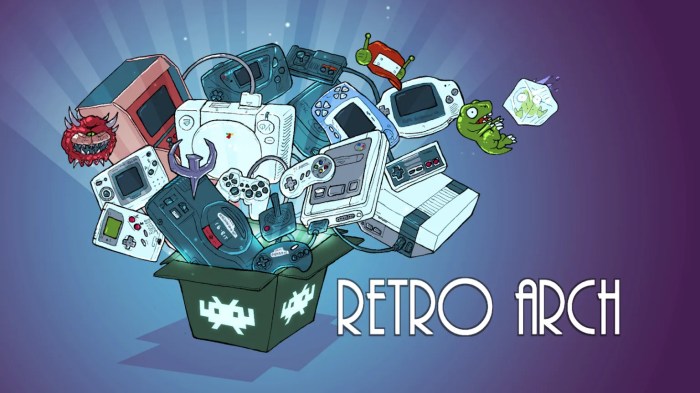
From the technical intricacies of ROMs and BIOS to the ethical dilemmas surrounding game ownership, the world of computer game emulators is a rich tapestry of technology, history, and legal nuance. We’ve journeyed through the past, present, and potential future of emulation, uncovering its impact on game preservation, development, and the very nature of gaming itself. Whether you’re a seasoned emulator user or a curious newcomer, hopefully, this exploration has provided a comprehensive and engaging look into this fascinating field.
So, fire up your favorite emulator, choose your classic game, and prepare for a nostalgic adventure!
FAQ Explained
What are the best emulators for beginners?
RetroArch is a great all-in-one option supporting many systems. For specific consoles, DeSmuME (Nintendo DS) and ePSXe (PlayStation) are popular choices known for their user-friendliness.
Where can I legally obtain ROMs?
Legally obtaining ROMs can be tricky. You generally need to own the original game cartridge or disc. Some websites offer legally sourced ROMs for games in the public domain, but it’s crucial to verify the source’s legitimacy.
Are emulators safe to use?
Downloading emulators from reputable sources is generally safe. However, downloading ROMs from untrusted websites poses risks of malware or viruses. Always be cautious and scan downloaded files with antivirus software.
Can emulators damage my computer?
Reputable emulators are generally safe and won’t damage your computer. However, poorly coded or malicious emulators could potentially cause problems. Stick to well-known and frequently updated emulators from trusted sources.


